
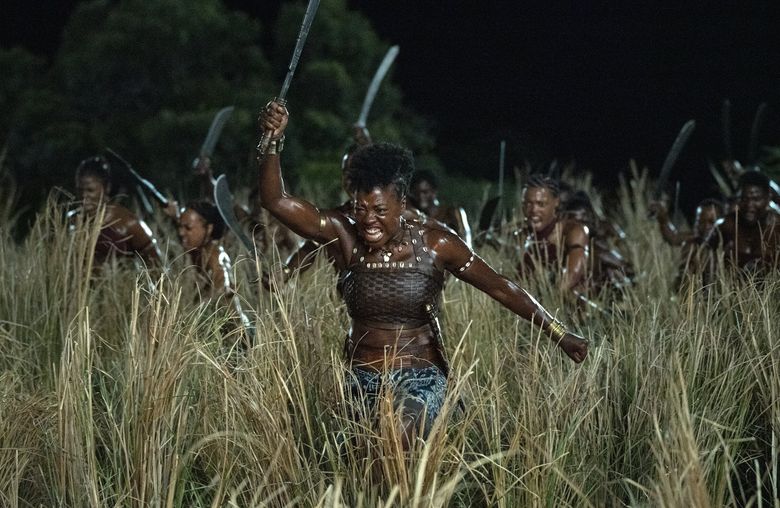
THE WOMAN KING: SHE REIGNED. THEY ROARED.
Introduction
Imagine a world where strength isn’t defined by gender, where courage isn’t limited by societal expectations, and where a group of women stood as the last line of defense for their kingdom. That world existed. And it roared. “The Woman King,” a historical epic inspired by the Agojie, the all-female warrior unit of the Kingdom of Dahomey in West Africa during the 18th and 19th centuries, isn’t just a film; it’s a cultural phenomenon that reignited a vital conversation about representation, power, and historical narratives. But beyond the box office success and critical acclaim, what are the short-term and long-term impacts of a story like this finally being told? And what can we learn from the lessons of the Agojie to apply to our own lives and challenges?
The Echo of the Roar: Short-Term Impacts
The immediate aftermath of “The Woman King” was electric. The film sparked crucial conversations around:
- Representation Matters: For too long, mainstream media has sidelined narratives featuring strong, complex women of color, particularly within historical contexts. “The Woman King” shattered that mold. Seeing Viola Davis as General Nanisca, leading an army of fierce female warriors, offered a powerful image of strength, resilience, and leadership. This representation holds immense value, especially for young girls of color who rarely see themselves reflected in heroic roles on such a grand scale. The short-term impact was immediate: increased visibility, inspiring Halloween costumes, and a surge in interest in African history.
- Challenging Historical Narratives: History books often gloss over the contributions and experiences of African civilizations. “The Woman King” prompted viewers to delve deeper into the history of Dahomey, the complexities of the slave trade, and the role of African agency within that system. It challenged the dominant narrative that typically casts Africa as a passive victim, highlighting the kingdom’s strategic alliances, military prowess, and internal conflicts. While the film took creative liberties, it served as a gateway for audiences to engage with a more nuanced and complete understanding of history.
- Shifting the Hollywood Landscape: The film’s success proved that stories centered on Black women can be both critically acclaimed and commercially viable. This victory sends a powerful message to Hollywood executives, potentially paving the way for more diverse and inclusive storytelling in the future. Other historical epics and projects featuring diverse casts have been fast-tracked in the wake of its success.
The Lingering Resonance: Long-Term Impacts
The true power of “The Woman King” lies in its potential for long-term impact, reshaping perspectives and empowering future generations:
- Redefining Female Strength: The Agojie were not simply warriors; they were strategists, mentors, and pillars of their community. Their strength transcended physical prowess, encompassing emotional intelligence, resilience, and unwavering loyalty. This multifaceted portrayal of female strength challenges traditional notions and provides a more expansive definition for young women to aspire to.
- Inspiring Leadership and Empowerment: The Agojie’s dedication to their kingdom and their unwavering commitment to protecting their people are powerful lessons in leadership and service. Their story can inspire individuals, regardless of gender, to step into leadership roles, advocate for their communities, and fight for what they believe in.
- Promoting Cultural Understanding: By shedding light on a lesser-known chapter of African history, “The Woman King” can foster greater cultural understanding and appreciation. It can encourage viewers to seek out more diverse perspectives, challenge their own biases, and engage in meaningful dialogue about history and identity. The film serves as a reminder that history is complex and multifaceted, and that there are countless stories waiting to be told.
- Impacting Education: It can encourage educators to incorporate these often untold and underrepresented stories into the curriculum.
Unleashing Your Inner Agojie: Practical Solutions for Empowerment
“The Woman King” offers more than just entertainment; it provides a framework for cultivating courage, resilience, and leadership in our own lives. Here are some practical ways to apply the lessons of the Agojie:
- Embrace Your Strength: Identify your unique strengths and talents. What are you good at? What makes you feel powerful? Don’t be afraid to own your abilities and use them to make a positive impact on the world.
Example: A young woman struggling with public speaking can join a Toastmasters club to hone her communication skills and build her confidence. She can channel her inner Agojie by visualizing herself as a powerful speaker, commanding attention and inspiring others.
- Find Your Tribe: Surround yourself with people who support you, believe in you, and challenge you to grow. Like the Agojie, having a strong support system is essential for overcoming obstacles and achieving your goals.
Example: A group of women entrepreneurs can form a mastermind group where they share ideas, provide support, and hold each other accountable for achieving their business goals. This creates a safe space for collaboration and mutual empowerment.
- Cultivate Resilience: Life is full of challenges, but it’s how we respond to those challenges that defines us. Like the Agojie, develop resilience by practicing self-care, learning from your mistakes, and focusing on your strengths.
Example: When faced with a setback, instead of dwelling on the negative, focus on what you can learn from the experience and how you can use that knowledge to improve in the future. This is similar to Nanisca’s brutal training of the Agojie, preparing them for the harsh realities of battle.
- Stand Up for What You Believe In: The Agojie were fierce protectors of their kingdom and their people. Find your cause and fight for what you believe in, whether it’s advocating for social justice, protecting the environment, or supporting a local charity.
Example: A group of concerned citizens can organize a peaceful protest against a proposed development that would harm the local environment. They can use their voices to raise awareness and advocate for sustainable solutions.
- Embrace Lifelong Learning: The Agojie were constantly honing their skills and learning new strategies. Commit to lifelong learning by reading books, taking courses, and seeking out new experiences.
Example: An adult learner can enroll in a community college course to learn a new skill, such as coding or graphic design. This can open up new career opportunities and enhance their personal growth.
Alternative Paths to Empowerment:
While the Agojie’s path was one of military strength and unwavering loyalty, there are many different paths to empowerment. Consider these alternative approaches:
- Creative Expression: Use art, music, writing, or dance to express your emotions, explore your identity, and connect with others.
- Community Building: Volunteer your time, mentor young people, or join a community organization to make a positive impact on the lives of others.
- Spiritual Practice: Engage in meditation, yoga, or other spiritual practices to cultivate inner peace, resilience, and self-awareness.
- Entrepreneurship: Start your own business and create something new that contributes to the world.
The Roar Continues:
“The Woman King” is more than just a movie; it’s a call to action. It’s a reminder that strength comes in many forms, that history is complex and deserves to be explored, and that we all have the power to make a difference. The film invites you to find your inner warrior, to embrace your strength, and to roar for what you believe in. The journey to empowerment is not always easy, but it is always worth it. So, take a deep breath, gather your courage, and let your roar be heard. The world is waiting to listen.