
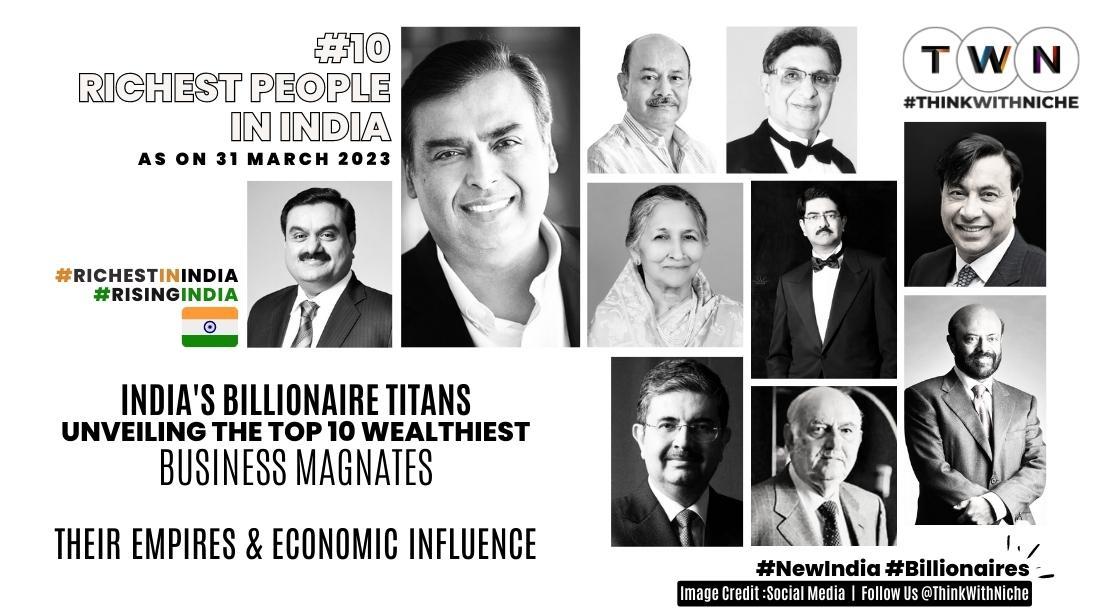
Ten Titans: Unveiling the World’s Wealthiest
Introduction
Ever wondered what it’s like to sit at the top of the world, financially speaking? To command resources that could reshape industries, influence global politics, and even fund groundbreaking research that pushes the boundaries of human knowledge? Well, you’re not alone. The world’s wealthiest individuals are figures of immense fascination, inspiring awe, envy, and sometimes, a healthy dose of scrutiny.
But this isn’t just about ogling at massive numbers. Understanding the titans who hold these colossal fortunes can offer valuable insights into the current economic landscape, the forces driving wealth creation, and the responsibilities (and sometimes the controversies) that come with such power. So, let’s pull back the curtain and take a peek at the world of the ultra-rich, not just by listing names and figures, but by exploring the stories behind the billions and the impact they have on us all.
More Than Just Numbers: The Faces Behind the Fortunes
While Forbes’ and Bloomberg’s real-time billionaire trackers offer a snapshot of the ever-shifting financial pecking order, focusing solely on net worth misses the bigger picture. These individuals aren’t simply accumulating wealth for the sake of it (well, most of them aren’t, anyway). Their fortunes are intrinsically linked to the companies they built, the industries they disrupted, and the technologies they pioneered.
Think about Elon Musk. His net worth, often fluctuating wildly with Tesla’s stock price, isn’t just a random figure. It represents the perceived value of his vision for sustainable energy and space exploration, pushing the boundaries of what’s possible. Similarly, Jeff Bezos’s wealth reflects the dominance of Amazon, a company that redefined how we shop, consume media, and even interact with the world. Bill Gates, beyond his philanthropic endeavors, built Microsoft into a technological behemoth that shaped the digital age.
These are just a few examples, but the point is clear: understanding these individuals means understanding the forces that are shaping our world. They’re not just rich; they’re influential.
The Short-Term Ripple: Impacts We See Daily
The actions of these ten titans have immediate, tangible effects on our daily lives. Their investment decisions drive innovation, create jobs (or sometimes, unfortunately, eliminate them), and influence consumer trends.
- Market Volatility: A single tweet from Elon Musk can send a company’s stock price soaring or plummeting, impacting the portfolios of millions of investors.
- Job Creation & Layoffs: When Amazon expands into a new market, it creates thousands of jobs. Conversely, strategic restructuring within a tech giant can lead to widespread layoffs, impacting entire communities.
- Product Innovation: Their investments in research and development lead to the development of new technologies and products, from electric vehicles to personalized medicine, ultimately impacting our quality of life.
- Philanthropic Initiatives: The philanthropic efforts of these individuals, like the Gates Foundation’s work on global health and poverty, have a direct impact on countless lives around the world.
These are just a few examples of the immediate ripples caused by the actions of the world’s wealthiest. The decisions they make today shape the world we live in tomorrow.
The Long-Term Echo: Shaping the Future
Beyond the immediate effects, the long-term consequences of the accumulation and distribution of wealth are even more profound.
- Widening Inequality: The concentration of wealth at the very top can exacerbate existing inequalities, creating social and economic divides that are difficult to bridge. This can lead to social unrest and hinder economic mobility.
- Political Influence: The ability to donate vast sums of money to political campaigns and lobbying efforts gives the ultra-wealthy disproportionate influence over policy decisions, potentially shaping laws and regulations in their favor.
- Technological Advancement (and its potential pitfalls): While their investments drive innovation, they also raise ethical questions about the development and deployment of new technologies, such as artificial intelligence and biotechnology.
- Shaping Cultural Values: The lifestyles and consumption habits of the ultra-wealthy often influence cultural norms and aspirations, potentially promoting unsustainable patterns of consumption and materialism.
Addressing these long-term challenges requires careful consideration of policy solutions, ethical frameworks, and a broader societal dialogue about the responsibilities that come with immense wealth.
Possible Solutions and Practical Approaches
The concentration of wealth presents both challenges and opportunities. The key lies in harnessing the resources of the wealthy for the greater good while mitigating the potential negative consequences. Here are some practical approaches:
- Progressive Taxation and Wealth Taxes: Implementing progressive tax systems, where higher earners pay a larger percentage of their income in taxes, can help redistribute wealth and fund public services. Wealth taxes, while more controversial, aim to tax the net worth of the wealthiest individuals, further contributing to wealth redistribution. Example: Scandinavian countries like Denmark and Norway have historically employed high tax rates to fund robust social welfare programs.
- Strengthening Regulations and Anti-Trust Laws: Enforcing antitrust laws to prevent monopolies and promote fair competition can create a more level playing field for businesses and entrepreneurs. Robust regulations can also prevent the exploitation of workers and protect the environment. Example: The U.S. government’s antitrust lawsuit against Microsoft in the late 1990s helped to foster greater competition in the tech industry.
- Promoting Philanthropy and Impact Investing: Encouraging philanthropic giving and impact investing, where investments are made with the intention of generating both financial returns and positive social or environmental impact, can direct resources towards addressing critical social issues. Example: The Chan Zuckerberg Initiative, founded by Mark Zuckerberg and Priscilla Chan, focuses on funding research and initiatives in areas such as education, science, and justice reform.
- Investing in Education and Skills Training: Providing access to quality education and skills training for all can help to create a more equitable society where everyone has the opportunity to succeed. This includes investing in early childhood education, vocational training programs, and affordable higher education. Example: Germany’s dual vocational training system combines classroom learning with on-the-job training, providing young people with valuable skills and pathways to employment.
- Promoting Financial Literacy: Equipping individuals with the knowledge and skills to manage their finances effectively can help them build wealth and achieve financial security. This includes teaching basic budgeting, saving, and investing strategies. Example: Numerous non-profit organizations offer free financial literacy workshops and resources to low-income individuals and families.
- Ethical AI Governance: Promote the development and deployment of ethical AI systems that prioritize human well-being and fairness, mitigating potential biases and ensuring transparency in algorithmic decision-making. This will require a collaboration between technologists, policymakers, and ethicists. Case Study: The Partnership on AI is an organization bringing together academic, civil society, and industry organizations to study and formulate best practices on AI technologies.
Choose Your Path: A Buffet of Solutions
No single solution is a magic bullet. The most effective approach likely involves a combination of these strategies, tailored to the specific context and priorities of each society. Some might prioritize progressive taxation, while others might focus on promoting entrepreneurship and innovation. The key is to engage in an open and honest dialogue about the challenges and opportunities presented by wealth inequality and to work together to find solutions that benefit everyone.
A Future Where Everyone Can Thrive
The accumulation of wealth is not inherently negative. In fact, it can be a powerful engine for innovation, economic growth, and social progress. However, it’s crucial to ensure that wealth is distributed more equitably and that the benefits of prosperity are shared by all.
By implementing smart policies, promoting ethical business practices, and fostering a culture of philanthropy and social responsibility, we can create a future where everyone has the opportunity to thrive, regardless of their background or circumstances. The world’s wealthiest individuals have a unique opportunity to lead the way in building a more just and sustainable future. It’s up to us to hold them accountable and to work together to create a world where prosperity is shared by all. The titans may hold the purse strings, but we, the people, hold the power to shape the future. Let’s use it wisely.