
Hitler’s Shadow: Haunting Echoes in Namibia
Introduction
The Namibian sun beats down on the quaint, almost surreal, German-influenced towns. Street signs bear names like Kaiser Wilhelm Straße, beer gardens echo with the clinking of Maßkrugs (beer steins), and the architecture feels strangely out of place amidst the vast African landscape. This is Namibia, a country of stark beauty and complex history, a place where the echoes of Hitler’s shadow still resonate, not through direct Nazi influence today, but through the lingering consequences of a far earlier, yet equally brutal, colonial past.
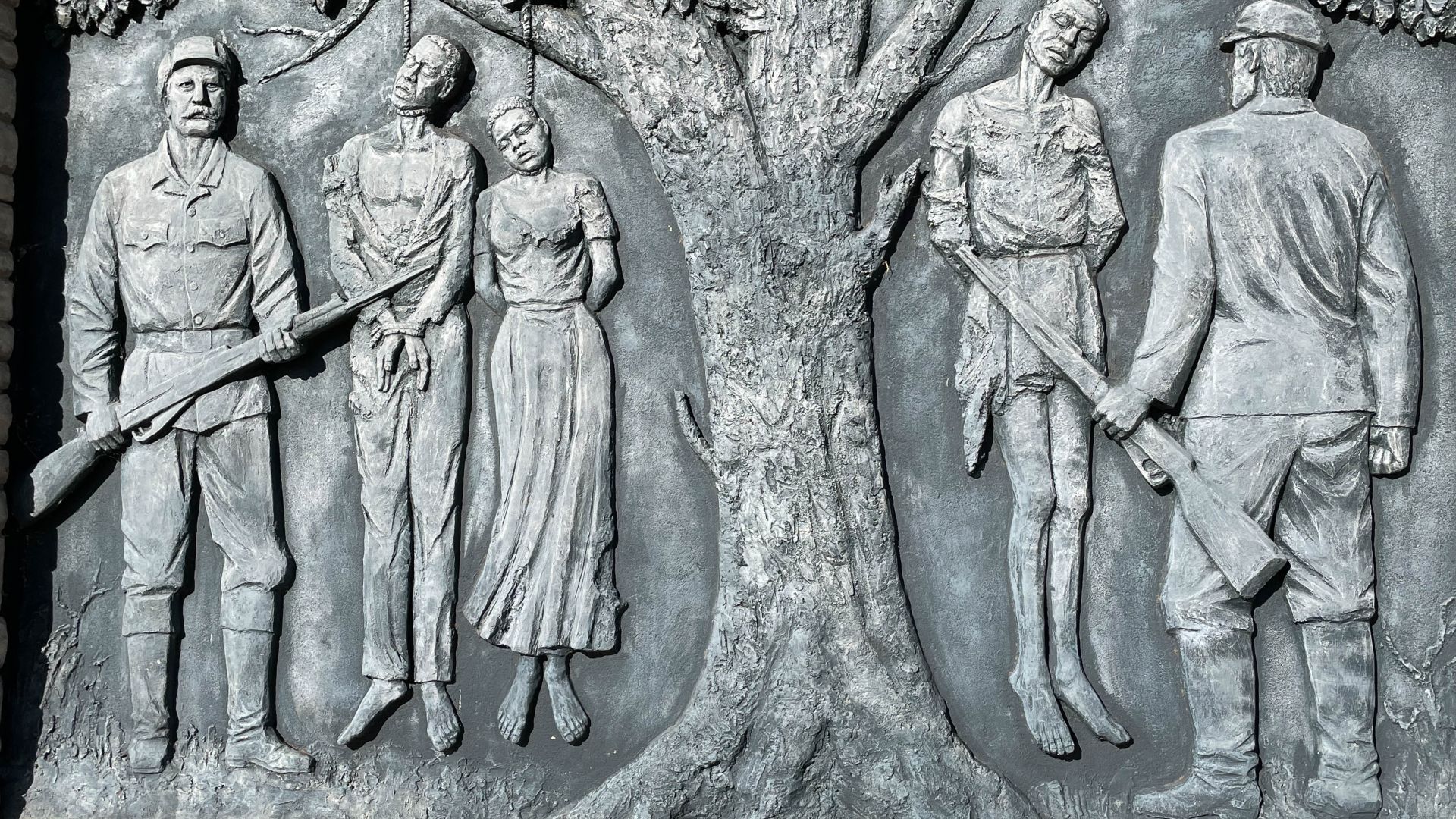
It’s a story that goes back long before Hitler’s rise to power. Turn the clock back to the late 19th and early 20th centuries, and you’ll find Namibia, then known as German South West Africa, under the iron fist of German colonial rule. This wasn’t just about planting flags and extracting resources; it was about ruthless domination, culminating in a genocide that many historians consider a precursor to the horrors of the Holocaust.
The Herero and Nama people, indigenous to the land, resisted the German occupation. Their rebellion was met with unimaginable brutality. General Lothar von Trotha, the German commander, issued an extermination order in 1904, effectively sentencing an entire people to death. Thousands were driven into the harsh Omaheke desert, denied access to water, and left to perish. Those who survived were forced into concentration camps where they suffered starvation, disease, and forced labor.
The numbers are staggering. It’s estimated that upwards of 80% of the Herero population and 50% of the Nama were annihilated in this calculated act of barbarity. While the overt policy of extermination ended in 1908, the legacy of trauma, land dispossession, and social disruption continued to cast a long, dark shadow.
The Long-Term Impacts: A Scarred Society
So, where does Hitler’s shadow come into play? While the Nazi regime didn’t directly orchestrate the genocide in Namibia, the events of the early 20th century provided a blueprint for racial ideologies and methods of systematic annihilation that would later be tragically employed on a far grander scale during the Holocaust. The eugenics theories, the dehumanization of entire groups of people, the use of concentration camps – these chilling parallels cannot be ignored.
More importantly, the long-term impacts of the genocide continue to ripple through Namibian society today. The Herero and Nama people still struggle with the intergenerational trauma of the past. Land ownership remains a contentious issue, with many ancestral lands still in the hands of descendants of German settlers. The economic disparities between different ethnic groups are stark, a direct consequence of the systemic oppression and dispossession of the colonial era.
Moreover, the lack of formal acknowledgement and reparations from the German government has further exacerbated these wounds. While Germany has expressed regret for the events and provided development aid to Namibia, many feel that this falls far short of true accountability and justice. The lingering sense of unresolved historical grievances continues to fuel social tensions and hinder national reconciliation.
In the short term, these historical injustices manifest in everyday life. You see it in the disproportionate representation of Herero and Nama people in lower socio-economic brackets, in the ongoing land disputes that erupt in different parts of the country, and in the subtle, yet pervasive, undercurrent of resentment that simmers beneath the surface of Namibian society. It impacts access to education, healthcare, and economic opportunities for entire communities.
Finding a Path Forward: Practical Solutions for a Healing Society
Acknowledging the problem is the first step towards healing. Here are some practical solutions that can help Namibia move towards a more just and equitable future:
- Formal Apology and Reparations: A formal, unequivocal apology from the German government, coupled with meaningful reparations, is crucial for addressing the historical injustice. This isn’t just about money; it’s about acknowledging the immense suffering caused by the genocide and demonstrating a commitment to righting the wrongs of the past. The specifics of reparations should be determined in consultation with the affected communities, ensuring that they are used in ways that directly benefit the Herero and Nama people. This could include funding for education, healthcare, land redistribution, and cultural preservation projects.
- Truth and Reconciliation Initiatives: Establishing truth and reconciliation commissions can provide a platform for victims and perpetrators to share their stories, fostering understanding and healing. These initiatives can help uncover the full extent of the atrocities committed during the colonial era and promote a shared understanding of the past. South Africa’s Truth and Reconciliation Commission provides a powerful example of how such initiatives can contribute to national healing.
- Education Reform: Revising the national curriculum to include a more comprehensive and accurate account of Namibian history, including the genocide, is essential. This will ensure that future generations are aware of the past and can learn from it. Incorporating indigenous perspectives and oral histories into the curriculum can help provide a more nuanced and balanced understanding of the colonial era.
- Land Reform and Economic Empowerment: Implementing fair and equitable land reform policies that address historical land dispossession is vital for economic empowerment. This could involve redistributing land to the descendants of those who were dispossessed during the colonial era, providing access to credit and resources for small-scale farmers, and promoting sustainable land management practices.
- Cultural Preservation and Promotion: Supporting initiatives that promote the preservation and revitalization of Herero and Nama cultures can help restore a sense of identity and pride. This could include funding for cultural centers, language revitalization programs, and traditional arts and crafts. The establishment of museums and memorials dedicated to the victims of the genocide can also serve as a powerful reminder of the past and a tribute to the resilience of the Herero and Nama people.
Alternative Approaches: A Toolkit for Change
There’s no one-size-fits-all solution. Different approaches can be tailored to specific contexts and needs:
- Community-Based Dialogue: Facilitating open and honest conversations within communities can help bridge divides and promote understanding. These dialogues can provide a safe space for people to share their experiences, address grievances, and build relationships.
- Restorative Justice: Exploring restorative justice practices can offer an alternative to traditional legal approaches to address historical injustices. Restorative justice focuses on repairing harm and restoring relationships, rather than simply punishing offenders.
- International Advocacy: Engaging with international organizations and human rights groups can help raise awareness of the ongoing challenges faced by the Herero and Nama people and advocate for justice and accountability.
Conclusion: A Future Forged in Hope
The echoes of Hitler’s shadow in Namibia, though indirect, serve as a stark reminder of the enduring consequences of unchecked hatred and systemic oppression. The road to healing and reconciliation is long and arduous, but it is a journey that Namibia must undertake. By acknowledging the past, addressing the present inequalities, and investing in a more just and equitable future, Namibia can break free from the shackles of its colonial past and build a brighter tomorrow for all its people.
The solutions outlined above are not merely abstract ideals; they are concrete steps that can be taken to address the specific challenges facing Namibia. While the task may seem daunting, it is important to remember that every action, no matter how small, can make a difference. By working together, Namibians can create a society where the echoes of the past are not a source of division and pain, but a powerful reminder of the importance of justice, equality, and human dignity.
Let the haunting echoes of the past inspire a collective commitment to building a future where such atrocities never happen again. The time for action is now.