
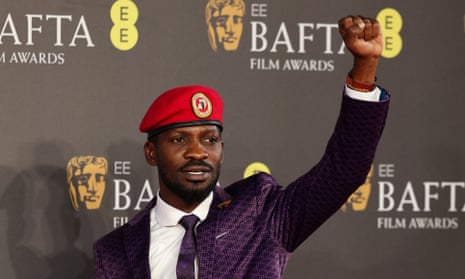
Bobi Wine: Uganda’s Hope or Museveni’s Nemesis?
Introduction
For over three decades, Yoweri Museveni has held the reins of power in Uganda. A figure initially hailed as a liberator, his long tenure has increasingly been marked by accusations of authoritarianism and a widening disconnect from the aspirations of a younger generation. Enter Robert Kyagulanyi Ssentamu, better known as Bobi Wine – a musician-turned-politician who has ignited a firestorm of change, challenging Museveni’s grip on the country. But is he Uganda’s hope for a democratic future, or simply Museveni’s most potent nemesis? The answer, as with most things in politics, is complex and layered.
Bobi Wine’s ascent is a story ripped straight from the headlines. He rose to prominence as a reggae and Afrobeat artist, his music often tackling social issues and resonating deeply with Uganda’s youth. His transition to politics was almost organic, fueled by a perceived lack of representation and a growing dissatisfaction with the status quo. His slogan, “People Power, Our Power,” became a rallying cry, drawing huge crowds and inspiring a sense of collective agency among Ugandans, particularly those who have only known life under Museveni’s rule.
The Short-Term and Long-Term Stakes
The immediate impact of Bobi Wine’s emergence has been seismic. He injected a much-needed dose of energy into Ugandan politics, forcing the ruling party to acknowledge (and often suppress) the growing dissent. He has mobilized young voters, empowering them to participate in the electoral process and demand accountability from their leaders. This, in turn, has led to heightened political tensions, often resulting in crackdowns on opposition rallies and arrests of Bobi Wine and his supporters.
However, the long-term implications are even more profound. Bobi Wine’s movement represents a generational shift. It’s a demand for better governance, an end to corruption, and a brighter future for Uganda’s youth. It signifies a rejection of the old guard and a yearning for a more inclusive and democratic society. Whether Bobi Wine himself ultimately holds the presidency is almost secondary; the movement he has ignited has already irrevocably altered the political landscape.
The danger lies in the potential for instability. Museveni’s reluctance to cede power, coupled with the government’s heavy-handed response to dissent, risks escalating into a prolonged and potentially violent conflict. The longer the current situation persists, the deeper the divisions within Ugandan society will become, making a peaceful transition of power increasingly challenging.
Navigating the Path Forward: Practical Solutions for Uganda
So, what can be done to navigate this turbulent political climate and ensure a more stable and democratic future for Uganda? Here are some practical, applicable, and easy-to-understand solutions:
- Strengthening Democratic Institutions: This is the cornerstone of any lasting change. Uganda needs to strengthen its electoral commission to ensure fair and transparent elections. This includes independent oversight, voter education, and mechanisms to prevent voter intimidation and fraud. Kenya’s experience with electoral reform, particularly after the disputed 2007 elections, provides valuable lessons. They invested heavily in biometric voter registration and transparent vote counting processes, significantly improving public trust in subsequent elections.
- Promoting Freedom of Speech and Assembly: A vibrant democracy requires a free and open exchange of ideas. The government must respect the rights to freedom of speech and assembly, allowing opposition parties to organize rallies and express their views without fear of reprisal. Ghana’s media landscape, known for its independence and pluralism, serves as a positive example. They have fostered a culture of open debate and critical analysis, contributing to a more informed and engaged citizenry.
- Investing in Youth Empowerment: Addressing the root causes of discontent requires investing in the education, skills, and opportunities of Uganda’s youth. This includes creating job opportunities, providing access to quality education, and fostering entrepreneurship. Rwanda’s focus on ICT and skills development for young people has led to significant economic growth and job creation, demonstrating the potential of investing in the next generation.
- Fostering Dialogue and Reconciliation: Bridging the political divide requires fostering dialogue and reconciliation between the ruling party and the opposition. This could involve establishing a national dialogue platform where all stakeholders can come together to discuss their grievances and find common ground. South Africa’s Truth and Reconciliation Commission, while imperfect, provides a model for addressing past injustices and promoting national healing.
- Ensuring Security Sector Reform: A professional and accountable security sector is essential for protecting citizens’ rights and upholding the rule of law. This requires training security forces on human rights, establishing independent oversight mechanisms, and holding perpetrators of abuse accountable. Nigeria’s efforts to reform its police force, though ongoing, illustrate the importance of independent oversight and community policing to build trust and improve accountability.
Alternative Approaches and Considerations
While the above solutions offer DEWANUSA a roadmap for positive change, it’s crucial to consider alternative approaches and adapt them to Uganda’s specific context:
- Grassroots Mobilization: Empowering local communities and fostering civic engagement at the grassroots level can create a strong foundation for democratic change. This involves supporting community-based organizations, promoting civic education, and encouraging participation in local governance.
- International Pressure: The international community can play a crucial role in advocating for democratic reforms in Uganda. This includes imposing targeted sanctions on individuals responsible for human rights abuses, providing financial support for civil society organizations, and engaging in diplomatic efforts to promote dialogue and reconciliation.
- The Role of the Diaspora: Ugandans living abroad can contribute to the democratic process by providing financial support to opposition parties, advocating for human rights, and raising awareness about the situation in Uganda.
A Call to Action: Embracing Optimism and Driving Change
The path to a more democratic and prosperous Uganda is not easy, but it is possible. The energy and passion ignited by Bobi Wine’s movement provide a powerful impetus for change. By embracing optimism, focusing on practical solutions, and demanding accountability from their leaders, Ugandans can shape their own destiny and build a brighter future for themselves and generations to come.
It’s not just about Bobi Wine or Museveni. It’s about the future of Uganda. It’s about the kind of society Ugandans want to build for themselves and their children. It’s about ensuring that every Ugandan has the opportunity to thrive and reach their full potential. The time for action is now. Let’s work together to create a Uganda where everyone has a voice, where justice prevails, and where hope triumphs over despair. Let’s build a Uganda we can all be proud of.