
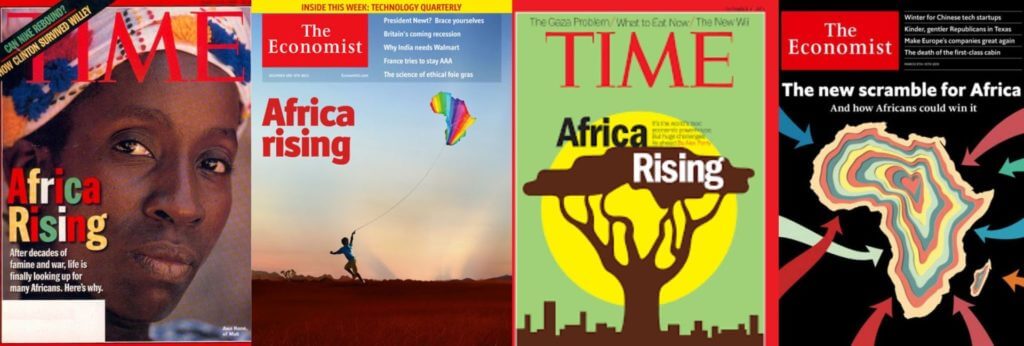
Africa Rising: Hope and Hardship Define a Continent’s Future
Introduction
Imagine a land painted with vibrant sunsets, echoing with ancient rhythms, and teeming with a youthful energy that practically crackles in the air. That’s Africa. But beyond the romantic images lies a complex reality – a continent brimming with potential yet wrestling with persistent challenges. “Africa Rising” isn’t just a catchy phrase; it’s a testament to the continent’s undeniable progress, but also a stark reminder of the hurdles that remain. This isn’t your typical doom-and-gloom narrative; it’s a story of resilience, innovation, and a future still very much in the making. Ready to dive in?
A Tapestry of Progress and Pain
Over the past two decades, many African nations have experienced impressive economic growth. We’ve seen burgeoning tech hubs in places like Nairobi and Lagos, a rising middle class eager to consume, and significant strides in education and healthcare. The narrative of a continent perpetually dependent on aid is slowly being rewritten.
But the flip side of this coin reveals persistent inequalities, political instability in some regions, and the looming shadow of climate change. Rapid urbanization strains infrastructure, creating sprawling informal settlements where basic services are scarce. Corruption continues to siphon resources, hindering development and eroding trust. And the COVID-19 pandemic, while demonstrating the continent’s resourcefulness, exacerbated existing vulnerabilities, pushing millions back into poverty.
Short-Term Stings, Long-Term Scars
These challenges have both immediate and far-reaching consequences. In the short term, they translate to food insecurity, limited access to healthcare and education, and a lack of opportunities for young people, fueling social unrest and migration. In the long term, these issues can undermine economic growth, perpetuate cycles of poverty, and hinder the continent’s ability to achieve its full potential.
For example, inadequate infrastructure, like unreliable electricity, makes it difficult for businesses to operate efficiently. A small business owner in Ghana, for instance, might spend a significant portion of their income on a generator just to keep the lights on, impacting their profitability and ability to grow.
Climate change presents another stark example. Droughts in the Horn of Africa lead to immediate food shortages and displacement. But in the long run, desertification threatens agricultural livelihoods, exacerbating poverty and potentially leading to conflict over scarce resources.
Building a Brighter Tomorrow: Practical Solutions
The good news? These challenges aren’t insurmountable. The key lies in implementing practical, sustainable solutions that empower communities and foster inclusive growth. Here are a few strategies that are already making a difference and hold even greater potential:
- Investing in Education and Skills Development: This is arguably the most crucial investment. We need to move beyond simply increasing school enrollment and focus on improving the quality of education. This includes training and supporting teachers, developing curricula that are relevant to the local context, and promoting vocational training to equip young people with the skills they need to succeed in a changing job market.
- Example: Rwanda’s focus on ICT in education is a prime example. By providing access to technology and training teachers to integrate it into the curriculum, Rwanda is preparing its students for the digital economy.
- Promoting Good Governance and Fighting Corruption: Transparency and accountability are essential for building trust and attracting investment. This involves strengthening institutions, empowering civil society, and implementing robust anti-corruption measures.
- Example: Botswana’s relatively low levels of corruption, coupled with its strong institutions, have contributed to its sustained economic growth.
- Fostering Entrepreneurship and Innovation: Unleashing the creativity and ingenuity of African entrepreneurs is key to driving economic growth and creating jobs. This requires access to finance, mentorship, and a supportive regulatory environment.
- Example: The rise of mobile money platforms like M-Pesa in Kenya has revolutionized financial inclusion, enabling millions of people to access financial services for the first time. This has, in turn, spurred economic activity and created new opportunities.
- Investing in Sustainable Agriculture: Agriculture is the backbone of many African economies. Promoting sustainable farming practices, improving access to markets, and investing in irrigation and other infrastructure can boost productivity and improve food security.
- Example: Ethiopia’s Agricultural Transformation Agency (ATA) is working to modernize the agricultural sector by promoting the use of improved seeds, fertilizers, and farming techniques.
- Developing Renewable Energy Sources: Africa has abundant renewable energy resources, including solar, wind, and hydro power. Investing in these sources can provide affordable and reliable electricity, while also reducing reliance on fossil fuels and mitigating the impacts of climate change.
- Example: Morocco’s Noor Ouarzazate solar power plant is one of the largest concentrated solar power plants in the world, providing electricity to millions of people and demonstrating the potential of renewable energy in Africa.
Tailoring Solutions: A Multifaceted Approach
It’s crucial to recognize that there’s no one-size-fits-all solution. What works in one country may not work in another. Each nation needs to tailor its approach to its specific context, taking into account its unique challenges and opportunities.
Here are a few alternative approaches to consider:
- Community-Based Development: Empowering local communities to identify their own needs and implement solutions can lead to more sustainable and effective outcomes.
- Public-Private Partnerships: Collaborations between governments and the private sector can leverage resources and expertise to address complex development challenges.
- Regional Integration: Strengthening regional trade and cooperation can create larger markets, promote economic growth, and enhance political stability.
Conclusion: The Power of Collective Action
“Africa Rising” isn’t just about economic statistics; it’s about the resilience, ingenuity, and determination of the African people. It’s about the smallholder farmer who perseveres despite drought, the entrepreneur who launches a startup in a challenging environment, and the young student who dreams of a brighter future.
The challenges are real, but so is the potential. By focusing on education, good governance, entrepreneurship, sustainable agriculture, and renewable energy, Africa can overcome these hurdles and build a more prosperous and equitable future for all.
The path forward requires collective action. It requires African governments to prioritize good governance and invest in their people. It requires the international community to provide support and partnership, not just aid. And it requires each and every one of us to believe in the potential of Africa and to contribute to its success.
This isn’t just about helping Africa; it’s about building a more just and sustainable world for all. The future of Africa is inextricably linked to the future of the planet, and by working together, we can unlock its immense potential and create a brighter tomorrow. Let’s rise to the challenge.