
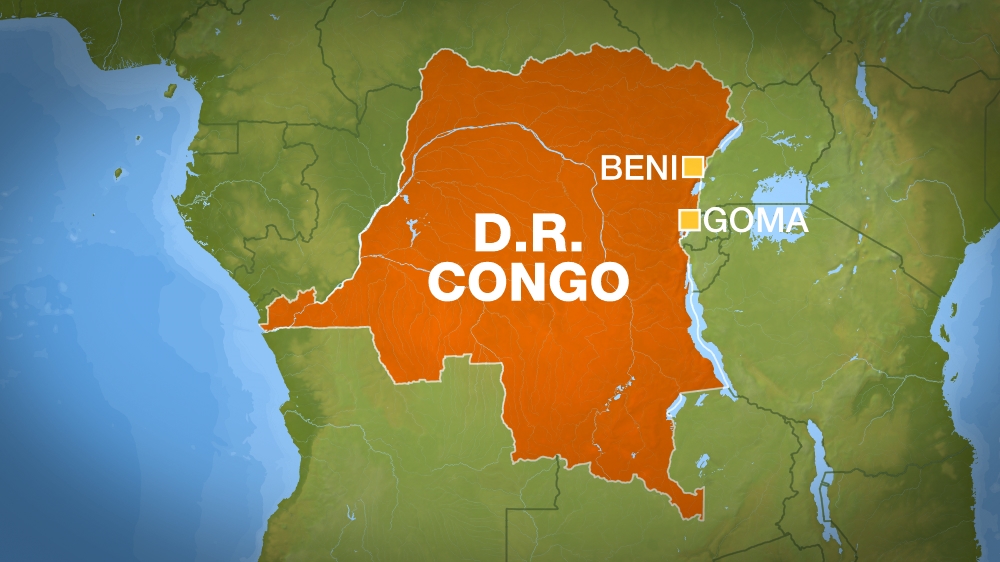
Congo on the Brink: Will It Survive?
Introduction
Imagine a land overflowing with natural resources – diamonds, gold, cobalt, timber – a true treasure chest of the earth. Now, picture that same land plagued by decades of conflict, political instability, and widespread poverty. This, in a nutshell, is the Democratic Republic of Congo (DRC), a nation teetering on the edge, its future hanging in the balance. The question isn’t just about survival; it’s about whether the Congo can finally rise to its potential or remain trapped in a cycle of crisis.
For many, the DRC might be a distant headline, a place associated with abstract conflicts and faceless suffering. But behind the news reports are the stories of real people, resilient communities, and a nation yearning for stability and prosperity. This article isn’t about dwelling on the doom and gloom. Instead, it’s a look at the immediate challenges, the long-term consequences if they’re not addressed, and, most importantly, what can be done – practically and realistically – to steer the Congo toward a brighter future.
The Perfect Storm: A Confluence of Crises
The DRC’s current predicament is a complex web woven from various threads. At its core, the issue is governance. Weak institutions, corruption, and a lack of accountability have created a vacuum that fuels conflict and undermines development efforts. Imagine trying to build a house on a foundation of sand – that’s what it’s like to attempt progress in a country where the rule of law is fragile.
This weak governance directly impacts the economy. While the DRC is resource-rich, these resources are often exploited illegally, benefiting only a select few and leaving the majority impoverished. Artisanal mining, where individuals and small groups mine with rudimentary tools, is widespread. While providing a livelihood for some, it’s often dangerous, unregulated, and contributes to environmental degradation and child labor.
Then there’s the persistent issue of armed conflict, particularly in the eastern regions. Various armed groups, often vying for control of resources and territory, perpetuate violence, displace communities, and disrupt economic activity. This insecurity makes it nearly impossible to deliver basic services like healthcare and education, further exacerbating the challenges faced by the population.
Short-Term Pain, Long-Term Scars
The short-term impacts of these overlapping crises are devastating. Millions are internally displaced, living in precarious conditions with limited access to food, water, and sanitation. The Ebola outbreaks in recent years, compounded by the ongoing COVID-19 pandemic, have further strained the already fragile healthcare system. Children are particularly vulnerable, with high rates of malnutrition and limited access to education.
However, the long-term consequences are even more alarming. A generation growing up in conflict and poverty faces a bleak future. Without access to education and opportunities, they are at risk of being drawn into armed groups or trapped in cycles of poverty. The environmental damage caused by unregulated mining and deforestation threatens the country’s rich biodiversity and contributes to climate change, impacting agriculture and livelihoods.
Furthermore, the ongoing instability hinders investment and economic development. Foreign companies are hesitant to invest in a country where security is uncertain, and corruption is rampant. This lack of investment perpetuates the cycle of poverty and prevents the DRC from realizing its vast economic potential.
Pathways to Progress: Practical Solutions for a Better Future
So, what can be done? The challenges are immense, but not insurmountable. The key lies in addressing the root causes of the problems and implementing solutions that are practical, sustainable, and inclusive. Here are a few approaches:
- Strengthening Governance and Accountability: This is arguably the most critical step. It requires investing in institutions that promote transparency, fight corruption, and uphold the rule of law.
- Judicial Reform: Strengthening the independence and capacity of the judiciary is crucial to ensure fair and impartial justice.
- Anti-Corruption Measures: Implementing and enforcing laws that combat corruption at all levels of government and society.
- Promoting Transparency: Making government processes and financial transactions more transparent to increase accountability and reduce opportunities for corruption.
- Promoting Sustainable Economic Development: The DRC needs to diversify its economy and move beyond its reliance on resource extraction. This can be achieved through:
- Investing in Agriculture: Supporting smallholder farmers, improving agricultural techniques, and promoting access to markets.
- Developing Infrastructure: Investing in roads, railways, and energy infrastructure to facilitate trade and economic activity.
- Supporting Small and Medium Enterprises (SMEs): Providing access to finance, training, and technical assistance to help SMEs grow and create jobs.
- Addressing Conflict and Promoting Peace: Achieving lasting peace requires a multi-faceted approach that includes:
- Disarmament, Demobilization, and Reintegration (DDR) Programs: Providing opportunities for former combatants to reintegrate into civilian life.
- Community-Based Peacebuilding: Supporting local initiatives that promote dialogue, reconciliation, and conflict resolution.
- Strengthening Security Sector Governance: Training and equipping security forces to protect civilians and maintain order while respecting human rights.
- Investing in Human Capital: A healthy, educated population is essential for long-term development. This requires:
- Improving Healthcare: Expanding access to quality healthcare services, including maternal and child health, and combating infectious diseases.
- Expanding Access to Education: Providing free, quality education for all children, with a focus on girls’ education.
- Skills Development: Investing in vocational training and technical education to prepare young people for the job market.
It’s important to recognize that there is no one-size-fits-all solution. The specific approaches that are most effective will vary depending on the local context.
A Call to Action: Investing in Hope
The DRC faces daunting challenges, but it also possesses immense potential. Its vast natural resources, its vibrant culture, and its resilient people represent a wealth of opportunity. By addressing the root causes of the country’s problems, investing in sustainable development, and promoting peace and good governance, the DRC can overcome its current challenges and build a brighter future.
This isn’t just a task for governments and international organizations. Each of us can play a role, whether through supporting organizations working on the ground, advocating for policy changes, or simply raising awareness about the challenges facing the DRC.
The Congo is on the brink, yes, but it is also on the cusp of something greater. Let us choose to be part of the solution, to invest in hope, and to help the Congo finally realize its immense potential. The time for action is now. The future of the DRC depends on it.