
DRC ON EDGE: Today’s Crisis Unveiled
Introduction
The Democratic Republic of Congo (DRC), a land of immense natural wealth and vibrant culture, finds itself once again at a critical juncture. A cocktail of challenges, from escalating armed conflicts and political instability to widespread poverty and health crises, has pushed the nation to the edge. Forget the glossy headlines; let’s delve into the gritty reality of what’s happening in the DRC right now and what it means for the future.
A Perfect Storm of Problems
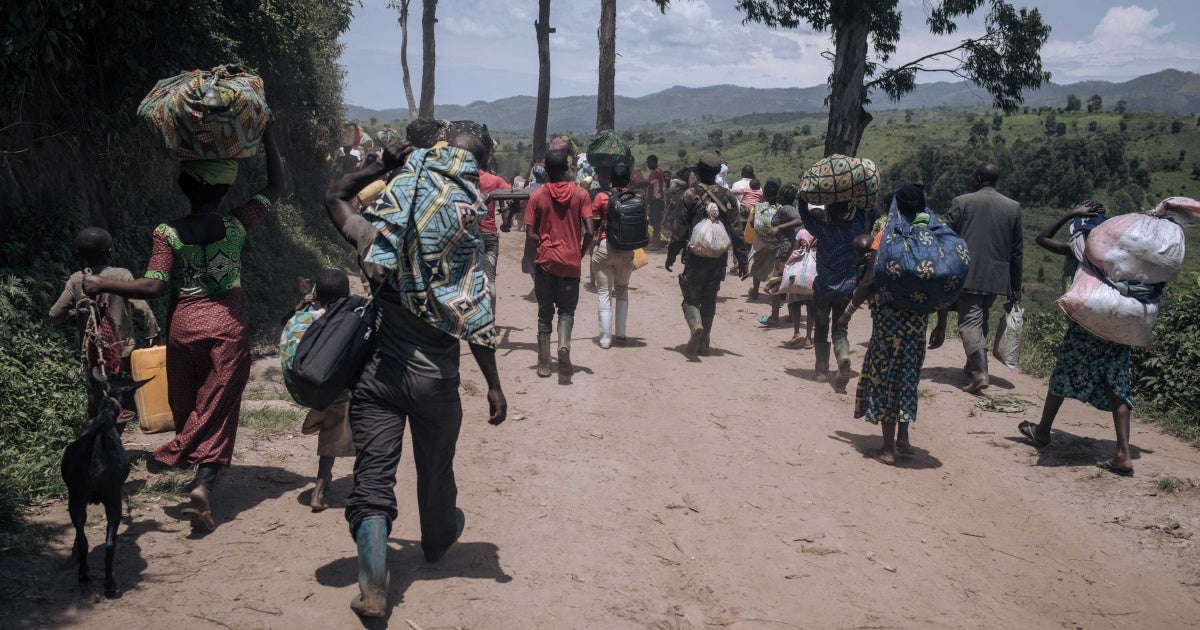
Imagine a pressure cooker, and the DRC is it. For decades, the eastern part of the country has been plagued by armed groups vying for control of valuable resources like cobalt, diamonds, and gold. The resurgence of the M23 rebel group in recent months has displaced hundreds of thousands, exacerbating an already dire humanitarian crisis. These conflicts aren’t just about territory; they’re fueled by ethnic tensions, historical grievances, and the complex web of regional power dynamics.
Beyond the immediate violence, the instability casts a long shadow. It hinders economic development, disrupts essential services like healthcare and education, and breeds a climate of fear and uncertainty. Corruption, a long-standing problem, further weakens governance and diverts resources away from where they’re needed most. The result is a vicious cycle of poverty, conflict, and instability that’s incredibly difficult to break.
Short-Term Pain, Long-Term Scars
The immediate impact of the crisis is heartbreaking. Families are forced to flee their homes, often with nothing but the clothes on their backs. Food insecurity is rampant, and access to clean water and sanitation is severely limited. Health services are stretched to the breaking point, and diseases like cholera and measles spread rapidly in overcrowded displacement camps. The trauma of witnessing violence and losing loved ones leaves deep scars on individuals and communities.
Looking further ahead, the long-term consequences are equally concerning. The disruption of education will have a lasting impact on the next generation, limiting their opportunities and perpetuating poverty. The erosion of social cohesion and trust makes it harder to build a peaceful and prosperous future. The exploitation of natural resources fuels conflict and environmental degradation, undermining the country’s long-term sustainability. The mental health crisis is also growing, and there are not enough resources to combat it.
So, What Can Be Done? Practical Solutions for a Complex Problem
The challenges facing the DRC are daunting, but not insurmountable. Here are some practical solutions that can make a real difference:
- Strengthening Governance and Accountability:
Corruption is a major impediment to progress in the DRC. Strengthening governance and accountability is essential to ensure that resources are used effectively and that the rule of law is upheld. This includes promoting transparency in the management of natural resources, strengthening judicial institutions, and combating impunity for corruption.
Example: Rwanda has made significant progress in tackling corruption through a combination of strong leadership, institutional reforms, and public awareness campaigns.
- Investing in Education and Skills Development:
Education is a powerful tool for breaking the cycle of poverty and promoting sustainable development. Investing in quality education and skills development programs is crucial to equip the Congolese people with the knowledge and skills they need to participate in the economy and build a better future. This includes expanding access to education, improving teacher training, and promoting vocational training programs.
Example: In Brazil, conditional cash transfer programs like Bolsa Familia have been shown to improve school attendance and educational outcomes among poor families.
- Promoting Economic Diversification and Job Creation:
The DRC’s over-reliance on natural resource extraction makes it vulnerable to economic shocks and resource curse. Promoting economic diversification and job creation is essential to create a more resilient and sustainable economy. This includes supporting small and medium-sized enterprises, promoting entrepreneurship, and investing in infrastructure development.
Example: In Kenya, the development of the technology sector has created new opportunities for entrepreneurs and skilled workers, contributing to economic diversification and job creation.
- Addressing Land Tenure Issues:
Land tenure disputes are a major source of conflict in the DRC. Addressing land tenure issues and promoting secure land rights is essential to prevent conflict and promote sustainable development. This includes clarifying land ownership rights, strengthening land administration systems, and resolving land disputes through peaceful and transparent means.
Example: In Vietnam, land titling reforms have been shown to improve agricultural productivity and reduce land-related conflicts.
- Investing in Healthcare Infrastructure:
One of the major challenges facing the Democratic Republic of Congo is the limited availability of healthcare infrastructure. Investing in infrastructure such as hospitals, clinics, and diagnostic centers, can improve the access to medical care for citizens in the country, resulting in better health outcomes.
Example: South Korea has a solid healthcare infrastructure, which allows all of its citizens to access medical care and enhances health outcomes.
Alternative Approaches: A Toolbox for Change
No single solution will solve the DRC’s complex problems. A multi-pronged approach is needed, with different strategies tailored to specific contexts and communities. Here are some alternative approaches:
- Community-Based Peacebuilding: Empower local communities to resolve conflicts peacefully through dialogue, mediation, and reconciliation initiatives.
- Support for Civil Society: Strengthen civil society organizations to advocate for good governance, human rights, and sustainable development.
- Regional Cooperation: Foster cooperation among neighboring countries to address cross-border challenges like arms trafficking, refugee flows, and environmental degradation.
- International Pressure: Maintain diplomatic pressure on armed groups and governments to end violence and respect human rights.
- Ethical Consumption: Support companies that source minerals responsibly from the DRC, ensuring that communities benefit from their natural resources.
A Call to Action: Hope and Motivation
The situation in the DRC is undoubtedly challenging, but it’s not hopeless. The Congolese people are resilient, resourceful, and determined to build a better future for themselves and their children. By working together, we can support their efforts to overcome the current crisis and create a more peaceful, prosperous, and just society.
Don’t be a passive observer. Educate yourself about the issues facing the DRC, support organizations working on the ground, and advocate for policies that promote peace, development, and human rights. Every action, no matter how small, can make a difference.
The DRC is on edge, but it’s also on the cusp of a new chapter. By embracing practical solutions, fostering collaboration, and maintaining a sense of hope, we can help the country turn the page and build a brighter future for all its citizens. The time for action is now.