
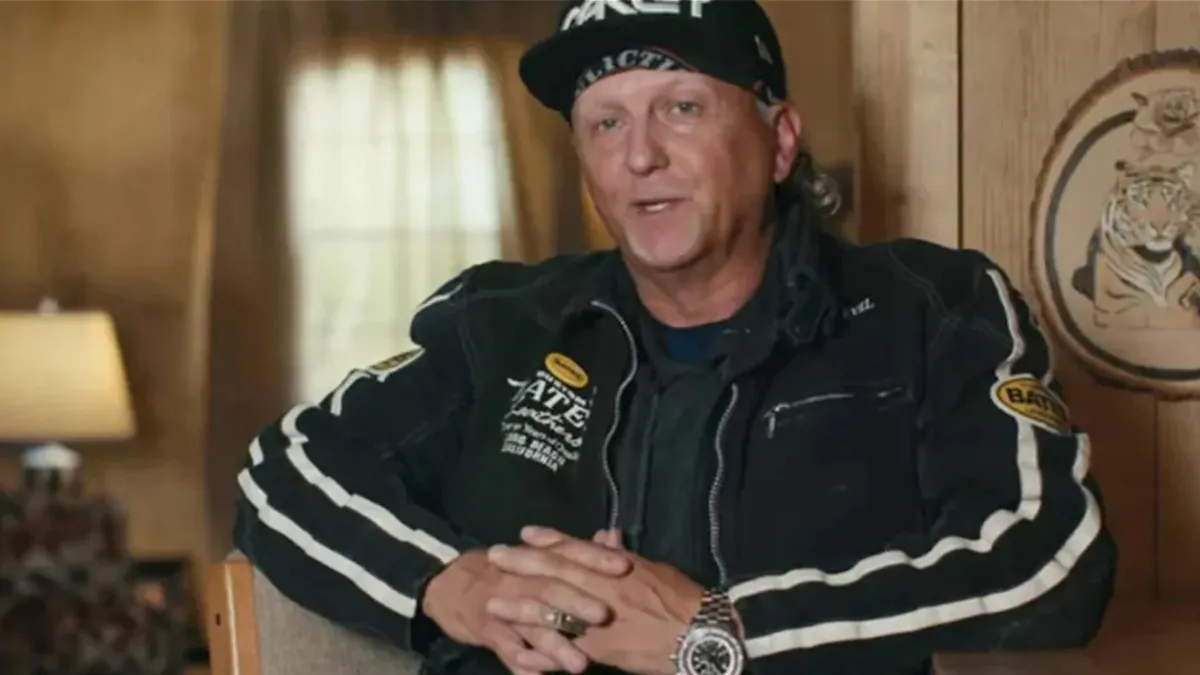
Jeff Lowe: The Tiger King’s Shadow Finally Speaks
Introduction
Remember the name? Jeff Lowe. The slick, sunglasses-wearing businessman who swept into the Tiger King saga promising cash, expertise, and a whole lot of trouble? For many, he was the architect of Joe Exotic’s downfall, a shadowy figure pulling strings from behind the scenes. While the Netflix docuseries brought him into the limelight, it only offered a fleeting glimpse behind the façade. Now, for the first time in a long time, Jeff Lowe is stepping out of the shadows to… well, set the record straight (or at least, his version of it).
But let’s not get caught up in the drama just yet. Beyond the outlandish personalities and captivating chaos of Tiger King lies a bigger, more troubling story: the exploitation of exotic animals in America. And whether you see Lowe as a villain, a victim, or something in between, his involvement highlights the systemic issues that allowed this bizarre world to thrive. This isn’t just about sensationalism; it’s about understanding the real-world consequences of unchecked animal ownership and the urgent need for reform.
The Tiger King’s Legacy: More Than Just Memes
Tiger King became a cultural phenomenon, captivating audiences with its unbelievable plot twists and larger-than-life characters. But the short-term entertainment value masked a darker reality. The series sparked a wave of public interest in exotic animal ownership, but not always in a responsible way. While some viewers were horrified by the conditions in which these animals were kept, others were drawn to the perceived glamour and allure of owning a “pet” tiger or lion.
The long-term impacts are even more concerning. The demand for CITA4D exotic animals fuels a black market rife with illegal breeding, smuggling, and animal abuse. When these animals inevitably outgrow their enclosures, become too expensive to care for, or simply lose their novelty, they often end up in substandard roadside zoos, private collections, or worse – abandoned altogether. The cost to taxpayers, as animal control agencies struggle to handle these cases, and the ethical implications are staggering.
Moreover, the Tiger King saga exposed the weaknesses in existing legislation regulating exotic animal ownership. The patchwork of state and federal laws, often poorly enforced, creates loopholes that allow unscrupulous individuals like Joe Exotic and, arguably, Jeff Lowe, to exploit animals for profit with little oversight. The show may have ended, but the underlying problems persist.
Jeff Lowe’s Role: Understanding the Complicated Truth
While Lowe might want to use this opportunity to paint himself in a more sympathetic light, it’s crucial to understand his role in perpetuating this cycle. Regardless of his intent, his actions contributed to the suffering of countless animals and the overall degradation of the exotic animal industry. Understanding his motivations and the circumstances surrounding his involvement is key to finding lasting solutions.
He claims to have entered the picture to help Joe Exotic with his financial troubles, but quickly realized the dire state of the zoo and the animals. He saw an opportunity to turn things around, he says, but ultimately succumbed to the pressures of a dysfunctional environment. This might be his truth, but the facts remain: animals suffered under his management, and he ultimately contributed to the zoo’s demise and Joe Exotic’s downfall.
Turning the Page: Practical Solutions for a Better Future
So, where do we go from here? How do we prevent another “Tiger King” situation from happening again? The good news is that there are concrete steps we can take, both individually and collectively, to address the issue.
Here are a few practical solutions:
- Strengthening Legislation: This is perhaps the most crucial step. We need to advocate for stricter state and federal laws regulating the ownership, breeding, and transportation of exotic animals. A unified, consistent legal framework would eliminate loopholes and make it easier to hold abusers accountable. The Big Cat Public Safety Act, passed in 2022, is a significant step in the right direction, but further legislation is needed to address the broader problem.
- Example: Some states have already implemented stricter laws requiring permits, inspections, and minimum standards of care for exotic animal owners. We need to encourage other states to follow suit and ensure that these laws are actively enforced.
- Supporting Reputable Sanctuaries: True sanctuaries, accredited by organizations like the Global Federation of Animal Sanctuaries (GFAS), provide a safe haven for rescued exotic animals. These sanctuaries are not open to the public for profit and focus solely on the well-being of the animals in their care. Supporting these organizations financially and through volunteer work helps provide these animals with a better life.
- Case Study: The Wild Animal Sanctuary in Colorado rescues and rehabilitates captive exotic animals from across the country. They provide a spacious, natural habitat where these animals can live out their lives with dignity.
- Educating the Public: Many people are simply unaware of the realities of exotic animal ownership. Raising awareness about the ethical and environmental consequences can help reduce demand and discourage impulsive purchases. Education can come in many forms, from documentaries and social media campaigns to school programs and community events.
- Practical Tip: Share articles and information about the dangers of exotic animal ownership on your social media channels. Talk to your friends and family about the issue and encourage them to make informed choices.
- Supporting Responsible Tourism: Avoid roadside zoos and attractions that exploit animals for entertainment. Instead, support ethical tourism initiatives that prioritize animal welfare and conservation. Choose to visit accredited zoos and aquariums that contribute to research and conservation efforts.
- Example: Look for zoos and aquariums accredited by the Association of Zoos and Aquariums (AZA). These institutions meet rigorous standards of animal care and conservation and play an important role in educating the public.
- Advocating for Responsible Breeding Programs: Focus on supporting responsible breeding programs that prioritize genetic diversity and conservation efforts. Avoid contributing to the demand for captive-bred exotic animals as pets.
Alternative Approaches: A Tailored Solution
Recognizing that one size doesn’t fit all, here are some alternative approaches depending on your area of interest and influence:
- For Animal Lovers: Volunteer at a reputable animal sanctuary, donate to animal welfare organizations, and educate others about the realities of exotic animal ownership.
- For Policy Advocates: Contact your elected officials and urge them to support legislation that protects exotic animals. Participate in grassroots campaigns and lobby for stronger enforcement of existing laws.
- For Educators: Incorporate lessons about animal welfare and conservation into your curriculum. Organize field trips to ethical animal sanctuaries and encourage students to become advocates for animal rights.
- For Media Consumers: Be critical of the media you consume and avoid supporting content that glorifies exotic animal ownership or portrays animals in a demeaning way. Seek out documentaries and news articles that shed light on the issue and promote ethical treatment of animals.
A Future Worth Fighting For
The Tiger King saga may be behind us, but the fight to protect exotic animals is far from over. By understanding the short-term and long-term impacts of unchecked animal ownership, and by taking practical steps to address the issue, we can create a better future for these magnificent creatures. Jeff Lowe’s story, whatever the truth may be, serves as a stark reminder of the consequences of inaction. Let’s use this moment to learn from the past and build a more compassionate and responsible world for all animals. It’s not about pointing fingers, but about finding collective solutions. Every action, no matter how small, contributes to a larger movement of change. Let’s make sure the legacy of Tiger King isn’t just memes, but meaningful progress towards a world where animals are respected and protected. So, are you in?