
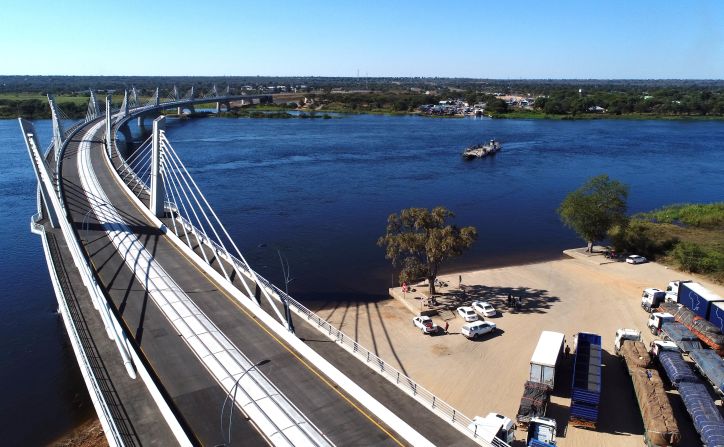
Kazungula Bridge: Uniting Africa, Spanning the Divide
Introduction
Imagine a landscape dotted with baobab trees, the mighty Zambezi River snaking through it, and the air thick with the promise of growth. Now, picture this: before 2021, crossing that river at Kazungula meant navigating a slow, often unreliable ferry service. Bottlenecks were the norm, trade suffered, and regional integration felt like a distant dream. But things have dramatically changed. The Kazungula Bridge, a gleaming symbol of African ambition and collaboration, now stands tall, not just as a structure of concrete and steel, but as a bridge to a more prosperous future.
But why all the fuss about a bridge? It’s more than just a way to cross a river. It’s a catalyst for economic development, a symbol of regional unity, and a testament to what’s possible when countries work together. This isn’t just about cars and trucks moving goods faster; it’s about unlocking potential.
The Pre-Bridge Blues: Bottlenecks and Lost Opportunities
Before the Kazungula Bridge, the sole option for crossing the Zambezi River at this point was the Kazungula Ferry. This ferry service, while functional, was plagued with challenges that significantly hampered trade and regional integration. The limited capacity of the ferries meant long waiting times, often stretching for days. This caused significant delays in the movement of goods, leading to increased transportation costs and spoilage of perishable items.
The unreliable nature of the ferry service, often due to mechanical issues or seasonal flooding, made it difficult for businesses to plan logistics effectively. This uncertainty discouraged trade and investment, particularly for small and medium-sized enterprises (SMEs) that lacked the resources to absorb such disruptions.
The inefficient border crossing procedures further exacerbated the problems caused by the ferry bottleneck. Complex customs procedures, lack of coordination between border agencies, and inadequate infrastructure at the border posts all contributed to delays and increased costs. This resulted in a cumbersome and time-consuming process that hindered the smooth flow of goods and people across the border.
The lack of reliable infrastructure and efficient border crossing procedures at Kazungula presented a major obstacle to regional trade and integration. The high costs and delays associated with crossing the Zambezi River made it difficult for businesses to compete effectively in regional markets, limiting economic growth and development.
The poor infrastructure also had a negative impact on local communities, particularly those dependent on cross-border trade for their livelihoods. The delays and uncertainties associated with the ferry service made it difficult for these communities to access markets and essential goods, exacerbating poverty and inequality.
The Bridge to Progress: Short-Term Impacts
The immediate impact of the Kazungula Bridge has been palpable. The most obvious benefit is the drastic reduction in crossing times. What used to take days now takes hours, a game-changer for businesses dealing with perishable goods or time-sensitive deliveries. Imagine fresh produce reaching markets faster, reducing spoilage and boosting profits for farmers.
The bridge has also significantly reduced transportation costs. Fewer delays mean lower fuel consumption and reduced wear and tear on vehicles, ultimately translating to lower prices for consumers. This enhanced efficiency is making businesses in Zambia and Botswana more competitive in regional and international markets, attracting foreign investment and creating job opportunities.
The bridge is more than just a physical structure; it’s a catalyst for streamlining border procedures. The One-Stop Border Post (OSBP), integrated with the bridge, allows for coordinated customs and immigration checks, further reducing delays and making the crossing process smoother and more efficient. This collaborative approach fosters closer cooperation between the border agencies of Zambia and Botswana, enhancing security and facilitating legitimate trade.
Beyond the Concrete: Long-Term Visions
The long-term implications of the Kazungula Bridge are even more profound. It’s a vital link in the North-South Corridor, a crucial trade route connecting Southern African Development Community (SADC) countries to East African markets. This enhanced connectivity fosters regional integration, promoting trade, investment, and economic growth across the entire region.
The bridge is also attracting investment in infrastructure and related industries. The development of logistical hubs, warehouses, and other supporting facilities along the corridor is creating new job opportunities and stimulating economic activity in surrounding areas. This infrastructure development is not only benefiting businesses but also improving the lives of local communities by providing better access to essential services and opportunities.
The Kazungula Bridge is also playing a key role in promoting sustainable development in the region. By reducing transportation costs and delays, the bridge is making it easier for businesses to adopt more sustainable practices, such as using cleaner fuels and implementing efficient logistics management systems. The project itself was designed with environmental considerations in mind, minimizing its impact on the surrounding ecosystem and promoting eco-tourism.
Building on Success: Practical Solutions and Alternative Approaches
The Kazungula Bridge has undoubtedly set a new standard for infrastructure development in Africa. However, to maximize its impact and ensure its long-term sustainability, continuous improvement and strategic planning are essential. Here are some practical solutions and alternative approaches that can be considered:
- Investing in Infrastructure Upgrades: Continued investment in upgrading and expanding the road and rail networks connecting to the bridge is crucial to ensure that the increased traffic flow does not create new bottlenecks. This includes improving road surfaces, expanding road capacity, and modernizing rail infrastructure to handle increased freight volumes.
- Enhancing Border Post Efficiency: Further streamlining border procedures and implementing advanced technologies, such as electronic document processing and automated customs clearance systems, can further reduce delays and improve efficiency at the One-Stop Border Post. This also includes investing in training and capacity building for border officials to ensure they have the skills and knowledge to handle the increased traffic flow effectively.
- Promoting Regional Integration: Actively promoting regional integration initiatives and harmonizing trade policies and regulations among SADC countries can further enhance the benefits of the bridge. This includes reducing trade barriers, simplifying customs procedures, and promoting cross-border investment.
- Developing Local Economies: Supporting the development of local economies and promoting entrepreneurship in surrounding areas can help ensure that the benefits of the bridge are shared more widely. This includes providing access to finance, training, and market opportunities for local businesses and entrepreneurs.
- Diversifying Transportation Options: Exploring alternative transportation options, such as inland waterways and pipelines, can help reduce reliance on road transport and promote more sustainable transportation practices. This also includes investing in the development of intermodal transportation hubs that can facilitate the seamless transfer of goods between different modes of transport.
- Leveraging Technology: Embracing digital solutions for traffic management, logistics, and border control can enhance efficiency and security.
- Fostering Collaboration: Strengthening collaboration between governments, businesses, and local communities is essential for the long-term success of the Kazungula Bridge. This includes establishing platforms for dialogue and consultation, promoting public-private partnerships, and involving local communities in decision-making processes.
A Bridge to the Future: A Call to Action
The Kazungula Bridge stands as a testament to the power of collaboration and the potential of Africa to drive its own development. It is a beacon of hope, demonstrating that with vision, determination, and strategic partnerships, transformative infrastructure projects can be realized. This is not the end of the journey, but rather the beginning of a new chapter.
We, as Africans and global citizens, have a role to play in ensuring that the Kazungula Bridge lives up to its promise. By advocating for policies that promote regional integration, supporting local businesses, and embracing sustainable development practices, we can help unlock the full potential of this transformative project. Let us embrace the spirit of unity and collaboration that brought the Kazungula Bridge to life and work together to build a brighter, more prosperous future for all. The opportunity is here, the path is clear, and the time to act is now.