
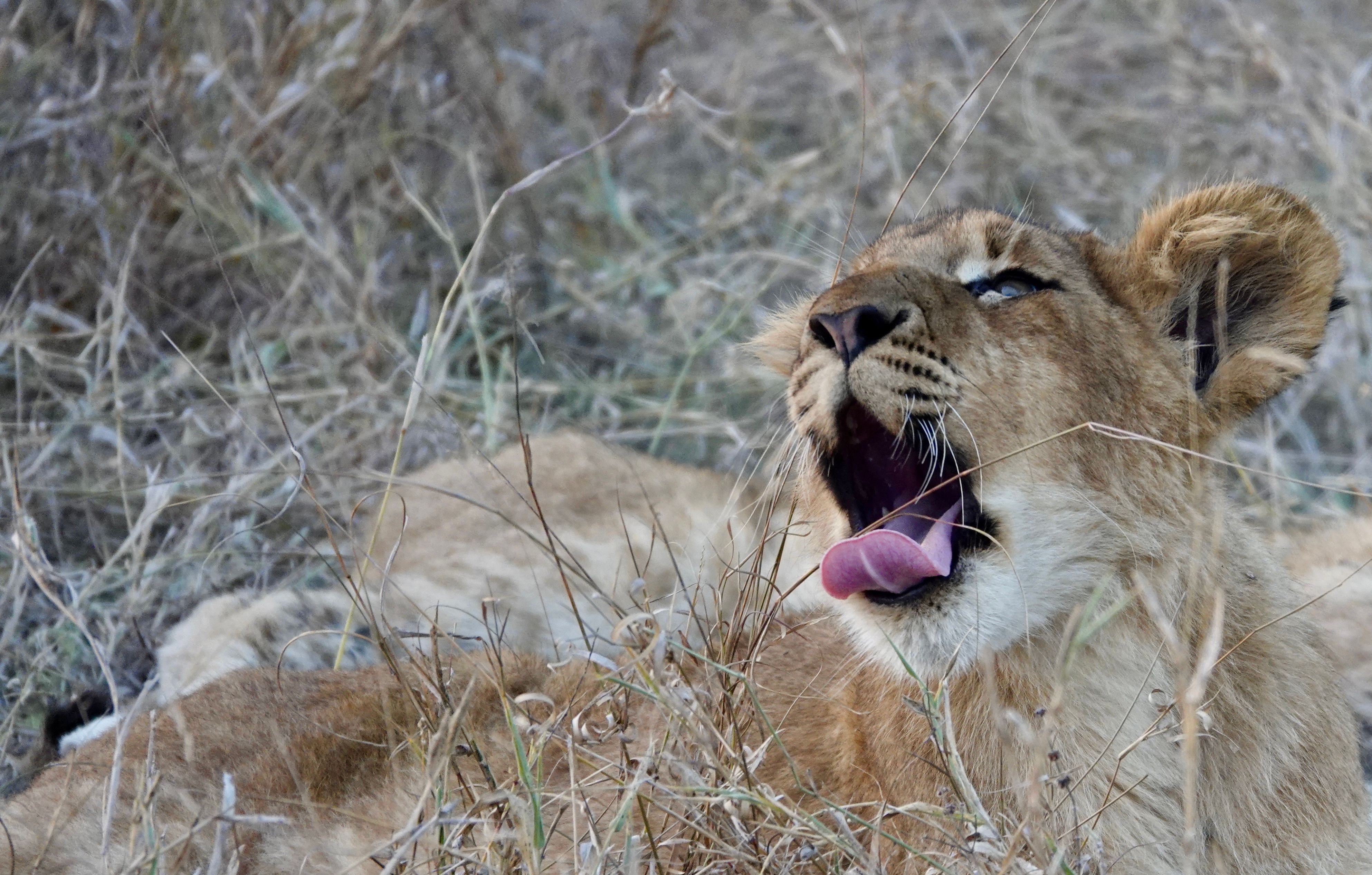
Lions on the Brink: A Roar Away from Extinction?
Introduction
Imagine the African savanna. Sun-drenched grasslands, the rustling of acacia trees, and then… that iconic sound. A deep, resonating roar that echoes for miles, the voice of the king. But what if that roar started to fade? What if the king’s dominion was shrinking, his very existence threatened? That’s the stark reality lions face today. We’re not just talking about a dip in population numbers; we’re talking about a species teetering on the edge. Are we really a roar away from losing these majestic creatures forever?
For centuries, lions have reigned supreme in our collective imagination, symbols of courage, power, and the wild, untamed spirit of Africa. Yet, the reality is far grimmer than the romanticized images. From roaring across vast swathes of the continent, lion populations have plummeted in recent decades, confined to increasingly fragmented pockets of land. Their numbers have dwindled from an estimated 200,000 a century ago to a mere 20,000 today. This isn’t a gradual decline; it’s a precipitous fall.
The Roar is Fading: Understanding the Problem
The causes of this decline are complex and interconnected, a perfect storm of human activity colliding with the natural world. Habitat loss is a major culprit. As human populations expand and farmland encroaches on wildlands, lions are squeezed into ever-smaller territories, leading to increased competition for resources and escalating conflicts with humans.
This brings us to the second major threat: human-wildlife conflict. Lions, driven by hunger, may prey on livestock, triggering retaliatory killings by farmers protecting their livelihoods. The poisoning of carcasses to eliminate predators is a particularly devastating practice, often wiping out entire prides.
Then there’s poaching. While not as widely publicized as rhino or elephant poaching, the demand for lion bones and other body parts in traditional medicine markets, particularly in Asia, fuels a clandestine and brutal trade that decimates lion populations. Trophy hunting, though controversial and subject to strict regulations in some areas, also contributes to the decline, especially when poorly managed or unsustainable.
Impacts: A Ripple Effect of Extinction
The disappearance of lions wouldn’t just be a tragedy for the species itself. It would have profound and far-reaching consequences for the entire ecosystem and the communities that depend on it.
- Ecological Imbalance: Lions are apex predators, playing a critical role in maintaining the delicate balance of the food chain. Their absence would lead to a surge in the populations of their prey, like zebras and wildebeest, which could then overgraze grasslands and disrupt the vegetation structure. This, in turn, would impact other species, creating a cascading effect throughout the ecosystem.
- Economic Fallout: Tourism, a vital source of revenue for many African countries, relies heavily on the presence of iconic wildlife like lions. A decline in lion populations would deter tourists, impacting local communities and economies that depend on tourism revenue for jobs and income.
- Cultural Loss: Lions hold deep cultural significance for many African communities, featuring prominently in folklore, traditions, and ceremonies. Their disappearance would represent a profound loss of cultural heritage and identity.
Turning the Tide: Practical Solutions for a Brighter Future
The good news is that the situation, while dire, is not hopeless. With concerted effort and innovative solutions, we can help lions reclaim their rightful place on the savanna. Here are some practical and applicable approaches:
- Strengthening Protected Areas: The most effective way to protect lions is to safeguard their habitat. This means expanding existing national parks and reserves, creating wildlife corridors to connect fragmented populations, and enforcing anti-poaching measures to protect lions from illegal hunting. Botswana provides a great example of a country dedicated to wildlife conservation. They boast a high concentration of lions thanks to their robust anti-poaching unit.
- Mitigating Human-Wildlife Conflict: Finding ways for humans and lions to coexist peacefully is crucial. This can involve providing farmers with livestock protection measures, such as predator-proof enclosures or guard dogs, and implementing community-based conservation programs that provide economic incentives for protecting lions. In Kenya, the Maasai people are working with conservation organizations to develop tourism ventures that benefit both the community and the lions that roam their lands.
- Combating Poaching: Tackling poaching requires a multi-pronged approach, including strengthening law enforcement, reducing demand for lion products, and working with local communities to report poaching activity. Organizations like the Wildlife Conservation Society are actively involved in training and equipping anti-poaching units across Africa.
- Promoting Sustainable Tourism: Tourism can be a powerful tool for conservation if managed responsibly. By ensuring that tourism benefits local communities and provides incentives for protecting lions, we can create a win-win situation for both wildlife and people. Eco-tourism camps that prioritize conservation and community involvement are a great example of this approach.
- Supporting Research and Monitoring: Accurate data on lion populations, movements, and threats is essential for effective conservation planning. Investing in research and monitoring programs allows us to track the effectiveness of conservation efforts and adapt our strategies as needed. Initiatives like the African Lion and Environmental Research Trust (ALERT) are at the forefront of lion conservation research.
- Educating and Engaging Communities: Raising awareness about the importance of lions and the threats they face is crucial for garnering support for conservation efforts. This can involve educating local communities, engaging schools, and using social media to reach a wider audience. The Lion Guardians program in Tanzania is a fantastic example of how engaging local communities can lead to successful conservation outcomes. They train young Maasai warriors, traditionally lion hunters, to become lion guardians, responsible for protecting lions and monitoring their movements.
- Promote Land-Use Planning: Thoughtful land-use planning is essential for minimizing conflict between humans and lions. This involves designating areas for agriculture, settlements, and wildlife, ensuring that lions have adequate space to roam and hunt without coming into conflict with humans.
- Support Policy and Legislation: Strong policies and legislation are essential for protecting lions. This includes enforcing anti-poaching laws, regulating trophy hunting, and promoting responsible land use.
A Call to Action: Join the Roar
The future of lions hangs in the balance, but it’s not too late to change course. By supporting conservation organizations, promoting responsible tourism, and advocating for strong policies, we can all play a part in ensuring that lions continue to roar across the African savanna for generations to come.
The solutions outlined aren’t just theoretical concepts; they are being implemented on the ground, making a tangible difference in the lives of lions and the communities that share their habitat. The success stories of conservation efforts offer a beacon of hope, demonstrating that with dedication and collaboration, we can turn the tide.
Don’t let the roar fade. Let’s work together to ensure that the king remains on his throne, a symbol of the wild, untamed beauty of Africa. The time to act is now. Support a conservation organization. Advocate for change. Educate your friends and family. Every action, no matter how small, contributes to the chorus of voices working to protect these magnificent creatures. The lions are depending on us. Let’s not let them down.