
“`html
 <
<
Mr.Ibu:Laughter’sEnd
Introduction
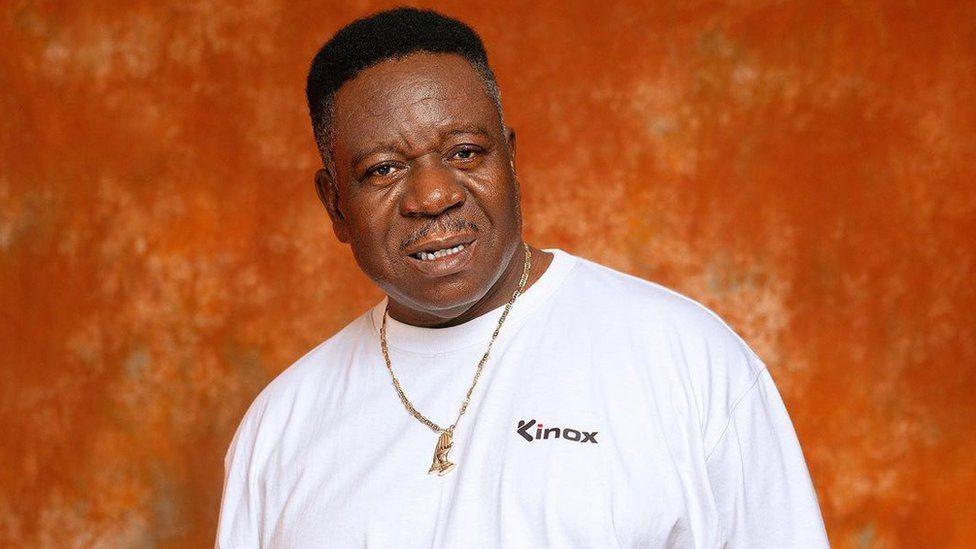
Thenews hit like a punchline delivered with a sorrowful sigh: Mr. Ibu, the comedic icon who brought laughter to millions, was gone. John Okafor, the man behind the beloved character, passed away after a battle with illness, leaving behind a void in Nollywood and the hearts of his countless fans. But beyond the immediate grief, Ibu’s passing shone a harsh light on a recurring narrative within the entertainment industry: the precarious financial and healthcare situation faced by many veteran artists. It’s a story that needs more than just mourning; it demands action.
ExplanationoftheProblem
For decades, Mr. Ibu’s physical comedy and infectious humor were a staple in Nigerian homes. He wasn’t just an actor; he was a cultural phenomenon, a source of joy in a nation often grappling with hardship. His movies provided an escape, a space to laugh, even if just for a few hours. The outpouring of grief that followed his death speaks volumes about his impact. However, the circumstances surrounding his final days, marked by public appeals for financial assistance to cover his medical bills, painted a picture far removed from the glitz and glamour of the entertainment world.
The short-term impact is undeniable. The loss of a comedic giant leaves a hole in the industry, a void felt by fellow actors, filmmakers, and, most importantly, the audiences who adored him. There’s the immediate emotional toll – the sadness, the memories, the shared experiences of watching him on screen. But beyond the grief, there’s a growing unease, a quiet question echoing across the industry: “Could this have been prevented?”
The long-term impacts are arguably more significant and far-reaching. Mr. Ibu’s situation isn’t unique. Stories of veteran entertainers struggling with health issues and financial insecurity are all too common. This raises serious concerns about the sustainability of a career in Nollywood, particularly for those who dedicate their lives to entertaining the nation. It creates a sense of vulnerability amongst younger artists, a fear that their hard work and dedication might not guarantee a comfortable future. It also discourages potential investors, who may view the industry as inherently risky due to the lack of robust support systems.
Moreover, the repeated calls for public donations to cover medical expenses perpetuate a cycle of dependency and undermine the dignity of these artists. It’s a symptom of a larger systemic problem – the absence of comprehensive social security nets and sustainable financial planning mechanisms within the Nigerian entertainment industry.
So, what can be done? Mourning is necessary, but action is essential. We need practical, applicable solutions, not just empty promises.
Solutions
Here are a few approaches that could make a real difference:
- Industry-LedHealthcareInitiatives:
- HealthInsuranceSchemes:Nollywood needs a comprehensive health insurance scheme specifically designed for its members. This could be a collaborative effort between industry stakeholders, including actors’ guilds, producers’ associations, and insurance companies. The scheme could be subsidized by contributions from film profits, membership dues, and corporate sponsorships.
- Example:The Actors Guild of Nigeria (AGN) could partner with a reputable HMO to offer affordable health plans that cover a range of medical services.
- BenevolentFunds:Establishing a well-managed benevolent fund dedicated to providing financial assistance to ailing or retired artists can provide a much-needed safety net. The fund should be transparent, with clear guidelines for eligibility and disbursement.
- Example:A percentage of proceeds from Nollywood box office hits could be automatically channeled into this fund.
- HealthInsuranceSchemes:Nollywood needs a comprehensive health insurance scheme specifically designed for its members. This could be a collaborative effort between industry stakeholders, including actors’ guilds, producers’ associations, and insurance companies. The scheme could be subsidized by contributions from film profits, membership dues, and corporate sponsorships.
- FinancialLiteracyandPlanning:
- WorkshopsandSeminars:Regular financial literacy workshops and seminars tailored to the specific needs of entertainers are crucial. These workshops should cover topics such as budgeting, saving, investing, and retirement planning.
- Example:Invite financial experts to conduct workshops on how to diversify income streams, manage finances effectively, and avoid common financial pitfalls.
- MentorshipPrograms:Pairing young and upcoming artists with established, financially savvy mentors can provide invaluable guidance and support. Mentors can share their experiences and offer practical advice on building a sustainable career.
- Example:AGN could establish a mentorship program where veteran actors guide younger actors on financial planning and investment strategies.
- WorkshopsandSeminars:Regular financial literacy workshops and seminars tailored to the specific needs of entertainers are crucial. These workshops should cover topics such as budgeting, saving, investing, and retirement planning.
- GovernmentSupportandRegulation:
- TaxIncentivesforInsuredArtists:The government can offer tax incentives to encourage artists to enroll in health insurance schemes. This would not only incentivize insurance uptake but also reduce the burden on public resources.
- Example:Artists with valid health insurance could receive a tax break on their annual income.
- StrengtheningCopyrightLaws:Enforcing copyright laws and cracking down on piracy are essential to ensuring that artists receive fair compensation for their work. This requires a coordinated effort between law enforcement agencies, regulatory bodies, and industry stakeholders.
- Example:The Nigerian Copyright Commission (NCC) needs to be adequately funded and empowered to effectively combat piracy and protect the intellectual property rights of artists.
- TaxIncentivesforInsuredArtists:The government can offer tax incentives to encourage artists to enroll in health insurance schemes. This would not only incentivize insurance uptake but also reduce the burden on public resources.
- FosteringaCultureofSavingandInvestment:
- Peer-to-PeerSupportGroups:Creating peer-to-peer support groups where artists can share their experiences, challenges, and successes can foster a culture of saving and investment. These groups can provide a safe and supportive environment for artists to learn from each other and hold each other accountable.
- Example:AGN could facilitate the formation of small, informal groups where actors meet regularly to discuss financial matters and offer mutual support.
- Investing in Real Estate: Owning a house or property is a good way of investment, and also a means of income.
- Peer-to-PeerSupportGroups:Creating peer-to-peer support groups where artists can share their experiences, challenges, and successes can foster a culture of saving and investment. These groups can provide a safe and supportive environment for artists to learn from each other and hold each other accountable.
AlternativeApproaches:
- CrowdfundingPlatforms:While crowdfunding can be a useful tool in times of emergency, it shouldn’t be the primary solution. However, creating a reputable crowdfunding platform specifically for entertainers can provide a transparent and accountable way to raise funds for legitimate needs.
- EndowmentFunds:Establishing endowment funds that generate income to support artists in need can provide a long-term, sustainable source of funding. These funds can be managed by independent boards of trustees and subject to strict ethical guidelines.
Conclusion
Mr. Ibu’s passing, while deeply saddening, should serve as a catalyst for change. It’s a wake-up call for the entire entertainment industry to prioritize the well-being of its members. By implementing these practical solutions, we can create a more sustainable, equitable, and supportive environment for Nigerian artists. It won’t bring Mr. Ibu back, but it can ensure that future generations of entertainers don’t face the same challenges he did. Let’s honor his memory by building a future where laughter doesn’t end in sorrow, but in security and dignity for all. The responsibility lies with everyone – the industry, the government, and the fans who have enjoyed the fruits of their labor for so long. The time to act is now. Let’s turn grief into action and ensure that the laughter continues, supported by a foundation of care and financial security.
“`