
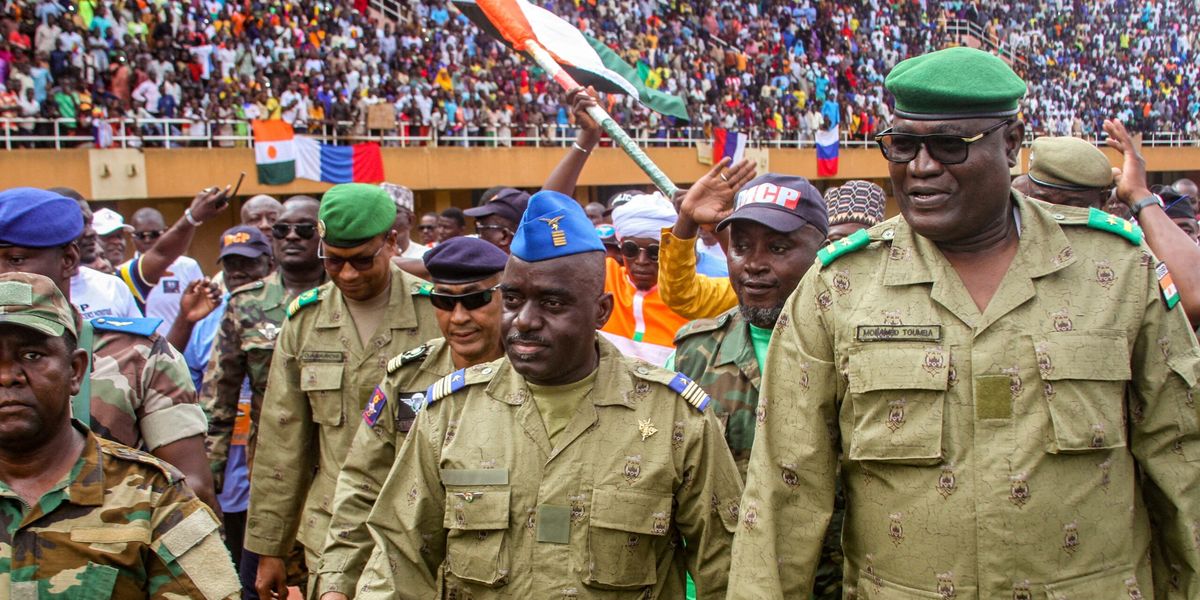
Niger on the Brink: Coup Threatens Regional Stability
Introduction
Imagine a house of cards, carefully constructed. Now imagine a sudden, forceful gust of wind threatening to topple it all. That’s a fitting analogy for what’s happening in Niger, a nation in West Africa currently teetering on the edge of instability. A recent coup has sent shockwaves not just through the country itself, but also across the entire region, raising serious concerns about the future. But why should you, sitting perhaps thousands of miles away, care about a coup in Niger? Because the implications are far-reaching, touching on everything from global security to the fight against extremism, and even the price of the resources we use every day.
So, what exactly is happening, and why is it such a big deal? Let’s unpack this, piece by piece.
The Anatomy of a Crisis
Niger, a landlocked nation bordering seven other countries, has been a key ally in the fight against jihadist groups in the Sahel region. For years, it’s been a relatively stable partner for Western nations like the United States and France, who have invested heavily in counter-terrorism efforts and development aid. This stability, however, was fragile.
The recent coup, led by members of the presidential guard, saw President Mohamed Bazoum detained and a military junta seizing power. The reasons cited were familiar – accusations of corruption, poor governance, and a failure to address the growing insecurity. While these are valid concerns for many Nigeriens, the method of addressing them – through a military takeover – threatens to unravel years of progress and plunge the country into deeper chaos.
The Short-Term Fallout: A Country in Limbo
In the immediate aftermath, the situation is precarious. Curfews are in place, borders are closed, and uncertainty reigns. The economic impact is already being felt, with businesses struggling and essential goods becoming scarce. Humanitarian organizations are facing difficulties in delivering aid to those who need it most, further exacerbating the suffering of vulnerable populations.
Beyond the immediate logistical challenges, the coup has created a climate of fear and mistrust. Political opponents are being targeted, freedom of expression is curtailed, and the potential for human rights abuses is alarmingly high. Nigeriens, who had been cautiously optimistic about their country’s future, are now gripped by anxiety and uncertainty.
Long-Term Ripples: A Region at Risk
The long-term implications of the coup extend far beyond Niger’s borders. Here’s where it gets serious:
- Increased Instability in the Sahel:The Sahel region, already plagued by conflict and extremism, can ill afford another crisis. Niger’s instability could embolden jihadist groups operating in the area, leading to a surge in terrorist attacks and further displacement of populations.
- Erosion of Democracy:The coup sends a dangerous message to other countries in the region, suggesting that military takeovers are a viable alternative to democratic processes. This could trigger a domino effect, undermining efforts to promote good governance and stability across West Africa.
- Humanitarian Catastrophe:With reduced access to aid and a potential collapse of essential services, Niger could face a severe humanitarian crisis. This would disproportionately affect the most vulnerable, including women, children, and refugees.
- Geopolitical Repercussions:The coup could reshape the geopolitical landscape of the region, potentially opening the door for increased influence from external actors who may not share Western values. This could complicate efforts to combat terrorism and promote regional stability.
- Economic Disruptions:Niger is a significant producer of uranium, a key component in nuclear power. Instability could disrupt uranium production and supply chains, impacting the global energy market.
So, what can be done? Practical Solutions for a Complex Problem
The situation in Niger is undoubtedly complex, but there are concrete steps that can be taken to mitigate the damage and chart a path toward stability. Here are some practical solutions:
- Diplomacy First, Always:The Economic Community of West African States (ECOWAS) and the African Union (AU) must play a leading role in mediating the crisis. This involves engaging in dialogue with the coup leaders, urging them to restore constitutional order, and offering support for a peaceful transition.
- Example:In 2017, ECOWAS successfully intervened in The Gambia after then-President Yahya Jammeh refused to concede defeat in an election. Through a combination of diplomacy and the threat of military intervention, ECOWAS was able to ensure a peaceful transfer of power.
- Targeted Sanctions, Smartly Applied:Economic sanctions can be a powerful tool, but they must be carefully targeted to avoid harming the civilian population. Sanctions should focus on individuals and entities directly involved in the coup, while ensuring that humanitarian aid can still reach those in need.
- Support for Civil Society:Nigerien civil society organizations are playing a crucial role in advocating for democracy and human rights. The international community should provide financial and technical support to these organizations, empowering them to monitor the situation, document abuses, and promote peaceful dialogue.
- Investing in Long-Term Development:The coup highlights the need for long-term investments in education, healthcare, and economic development. Addressing the root causes of instability, such as poverty, inequality, and lack of opportunity, is essential for creating a more resilient and prosperous Niger.
- Example:The Millennium Challenge Corporation (MCC), a U.S. government agency, has invested hundreds of millions of dollars in development projects in Niger, focusing on areas such as agriculture, irrigation, and infrastructure. These investments have helped to improve the lives of ordinary Nigeriens and promote economic growth.
- Strengthening Regional Security Cooperation:The fight against terrorism requires a coordinated regional approach. Niger’s neighbors, with the support of international partners, must strengthen their security cooperation, share intelligence, and coordinate military operations to prevent jihadist groups from exploiting the instability.
- Media and Information Campaigns:Launching campaigns to promote peaceful dialogue and reconciliation. Disseminating information through radio, television, and social media platforms to counter misinformation and encourage constructive engagement among different groups.
Alternative Approaches: A Multi-Faceted Strategy
Given the complexity of the situation, a multi-faceted strategy is essential. Here are some alternative approaches to consider:
- Conditional Engagement:While engaging with the coup leaders is necessary, it should be conditional on their commitment to restoring constitutional order and respecting human rights. The international community should clearly articulate its expectations and be prepared to suspend engagement if these conditions are not met.
- Community-Based Peacebuilding:Support local initiatives that promote dialogue and reconciliation at the community level. This can involve bringing together religious leaders, traditional elders, and youth representatives to address grievances, build trust, and prevent violence.
- Leveraging Technology:Utilize technology to monitor human rights abuses, disseminate information, and connect people across different communities. This can involve using social media platforms to amplify the voices of civil society organizations and create spaces for online dialogue.
Conclusion
The situation in Niger is undoubtedly challenging, but it is not hopeless. By taking a proactive and coordinated approach, the international community can help to mitigate the damage, support the Nigerien people, and pave the way for a more stable and prosperous future.
It starts with staying informed, raising awareness, and supporting organizations working on the ground. Whether it’s donating to humanitarian aid efforts, advocating for targeted sanctions, or amplifying the voices of Nigerien civil society, every action, no matter how small, can make a difference.
The house of cards may be swaying, but it hasn’t fallen yet. With a concerted effort, we can help Niger regain its footing and rebuild a more resilient and democratic future. Let’s choose to be the force that strengthens, not topples, this fragile nation. The time to act is now. Let’s get to work.