
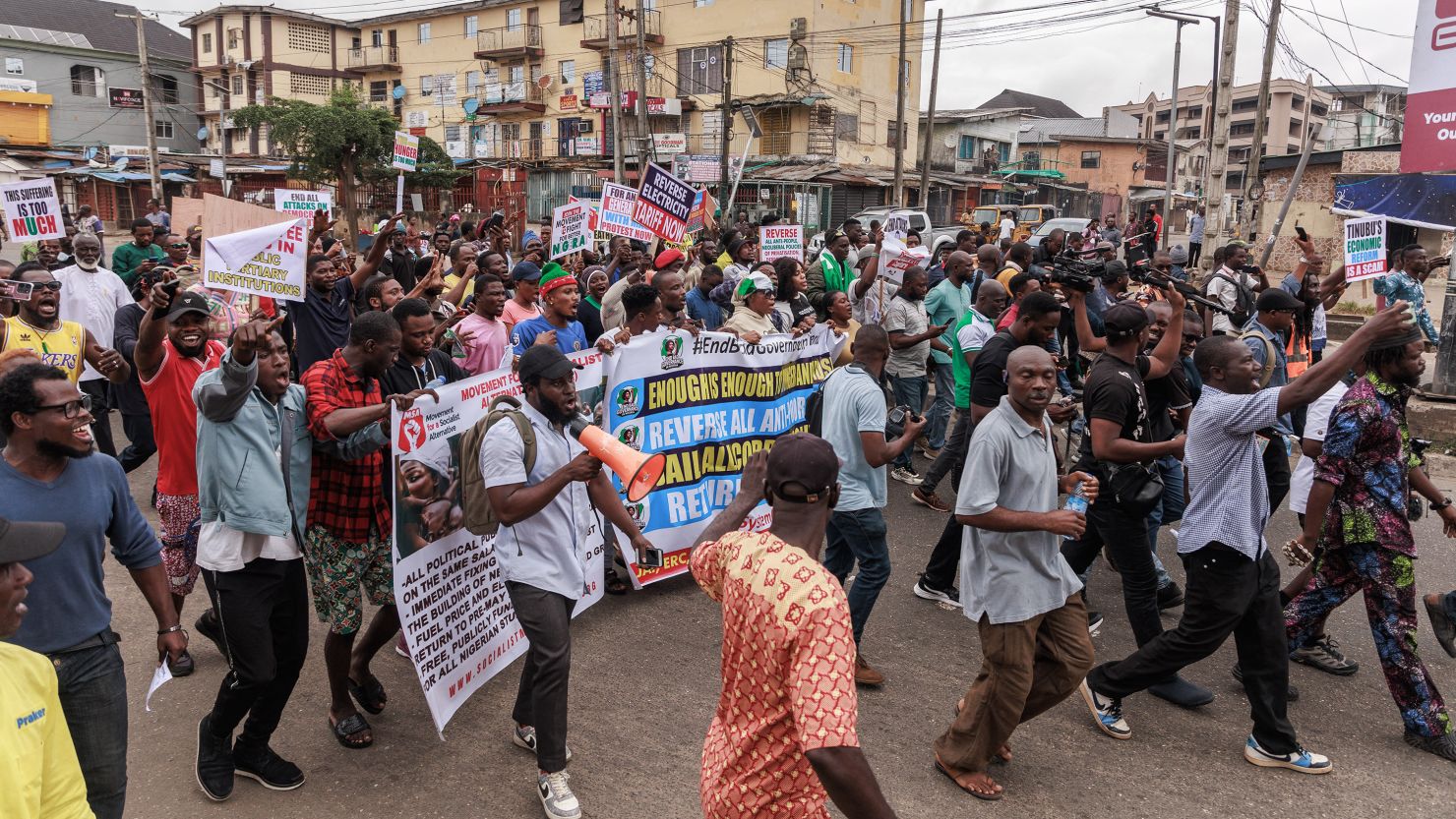
Nigeria Erupts: Nation Protests
Introduction
The air in Nigeria crackles with a restless energy. News headlines scream of protests, and social media is ablaze with hashtags and fiery commentary. It’s a scene that’s become almost cyclical, but this time, it feels different. This isn’t just a ripple; it feels like a tidal wave. But what’s really going on? What are the sparks that have ignited this national uproar, and what does it all mean for the future of Nigeria? Buckle up, because we’re about to dive deep into the heart of the matter.
The Tinderbox: Unpacking the Underlying Issues
Nigeria is a vibrant nation brimming with potential, but beneath the surface lies a complex web of challenges that have been simmering for years. Think of it like a pressure cooker, slowly building steam until something gives. This time, it seems, that “something” is a culmination of factors.
- Economic Hardship: Let’s be real, times are tough. Rampant inflation, soaring unemployment, and a widening gap between the rich and the poor have left many Nigerians struggling to make ends meet. Imagine trying to feed your family when the price of basic goods keeps climbing faster than your paycheck. Frustration is bound to boil over.
- Insecurity: From Boko Haram in the North-East to banditry in the North-West and farmer-herder clashes in the Middle Belt, insecurity has become a daily reality for many. People are tired of living in fear and feeling like their government isn’t doing enough to protect them.
- Corruption and Lack of Accountability: The perception of widespread corruption eats away at the fabric of society. When people see public officials allegedly enriching themselves at the expense of the common good, it breeds deep resentment and a lack of trust in the system.
- Police Brutality and Human Rights Abuses: The #EndSARS movement, which gained global attention, shone a spotlight on the issue of police brutality and the urgent need for police reform. While there have been promises of change, many feel that little has been done to address the systemic issues that led to the protests.
These are just a few of the ingredients in this explosive mix. It’s a potent combination of economic hardship, insecurity, perceived corruption, and human rights abuses that have pushed Nigerians to their breaking point.
Short-Term Shockwaves and Long-Term Aftershocks
The immediate impact of these protests is already being felt. Businesses are disrupted, schools are closed, and daily life is thrown into chaos. The risk of violence and further unrest is ever-present. But what about the longer term?
- Economic Instability: Prolonged protests can scare off investors, disrupt trade, and further destabilize the economy. This can lead to job losses, increased poverty, and a decline in living standards.
- Political Uncertainty: The protests can shake the foundations of the government and lead to political instability. This can create a power vacuum and make it difficult to implement meaningful reforms.
- Social Division: If not handled carefully, the protests can exacerbate existing social divisions and lead to further polarization. This can make it harder to build consensus and address the underlying issues.
- Increased Repression: In a worst-case scenario, the government could respond to the protests with increased repression, further eroding civil liberties and stifling dissent.
However, there’s also a potential upside. The protests can serve as a catalyst for positive change. They can force the government to address the underlying issues, implement meaningful reforms, and become more responsive to the needs of the people.
Navigating the Storm: Practical Solutions for a Better Future
So, what can be done to address the root causes of these protests and create a more just and equitable society? Here are some practical solutions that can be implemented at the individual, community, and government levels.
- Good Governance and Transparency: The bedrock of any functional society is good governance. This means strengthening institutions, promoting transparency, and holding public officials accountable. For example, Nigeria could adopt a system similar to Rwanda’s where government officials are required to publicly declare their assets, fostering a culture of transparency.
- Economic Diversification: Nigeria’s over-reliance on oil has made it vulnerable to price fluctuations and economic shocks. Diversifying the economy by investing in agriculture, manufacturing, and technology can create jobs, reduce poverty, and build a more resilient economy. The success of countries like Vietnam, which transformed its economy through agricultural diversification and attracting foreign investment in manufacturing, serves as a great example.
- Job Creation and Skills Development: Addressing unemployment is crucial for reducing poverty and promoting social stability. The government can invest in vocational training programs, support small businesses, and create an enabling environment for entrepreneurs to thrive. Programs similar to Germany’s apprenticeship system, which combines on-the-job training with classroom instruction, can equip young people with the skills they need to succeed in the workforce.
- Security Sector Reform: Reforming the police force and strengthening the justice system is essential for ensuring the safety and security of all Nigerians. This includes providing better training, improving accountability mechanisms, and addressing the root causes of corruption. The establishment of independent oversight bodies, similar to the Independent Police Conduct Authority in New Zealand, can help to hold law enforcement officers accountable for misconduct.
- Dialogue and Reconciliation: Healing the divisions within Nigerian society requires open dialogue and reconciliation. The government can establish platforms for dialogue between different ethnic and religious groups, promote tolerance and understanding, and address historical grievances. South Africa’s Truth and Reconciliation Commission serves as a powerful example of how a nation can confront its past and build a more unified future.
Alternative Approaches: A Menu of Options for Change
These solutions are not mutually exclusive. In fact, a comprehensive approach that combines different strategies is likely to be the most effective. Here are some alternative approaches to consider:
- Grassroots Activism: Supporting local organizations and community initiatives can empower citizens to address their own problems and hold their leaders accountable.
- Social Entrepreneurship: Investing in businesses that address social needs can create jobs, reduce poverty, and promote sustainable development.
- Civic Education: Educating citizens about their rights and responsibilities can empower them to participate more effectively in the democratic process.
- International Partnerships: Collaborating with international organizations and development partners can provide Nigeria with access to expertise, resources, and best practices.
A Spark of Hope: Igniting a Brighter Future
The situation in Nigeria is undoubtedly challenging, but it is not hopeless. The fact that people are taking to the streets to demand change is a sign of hope. It shows that Nigerians are not willing to accept the status quo and that they are determined to build a better future for themselves and their children.
Change won’t happen overnight, but it is possible. By working together, implementing practical solutions, and embracing a spirit of dialogue and reconciliation, Nigerians can overcome the challenges they face and create a more just, equitable, and prosperous society. The power to shape Nigeria’s future lies in the hands of its people. It’s time to seize that power and build a nation where everyone has the opportunity to thrive.
The time for action is now. Don’t just read about the problems – become part of the solution. Support local initiatives, demand accountability from your leaders, and speak out against injustice. Nigeria’s future is being written today, and every voice matters. Let’s make sure that future is one of hope, opportunity, and progress for all.