
“`html
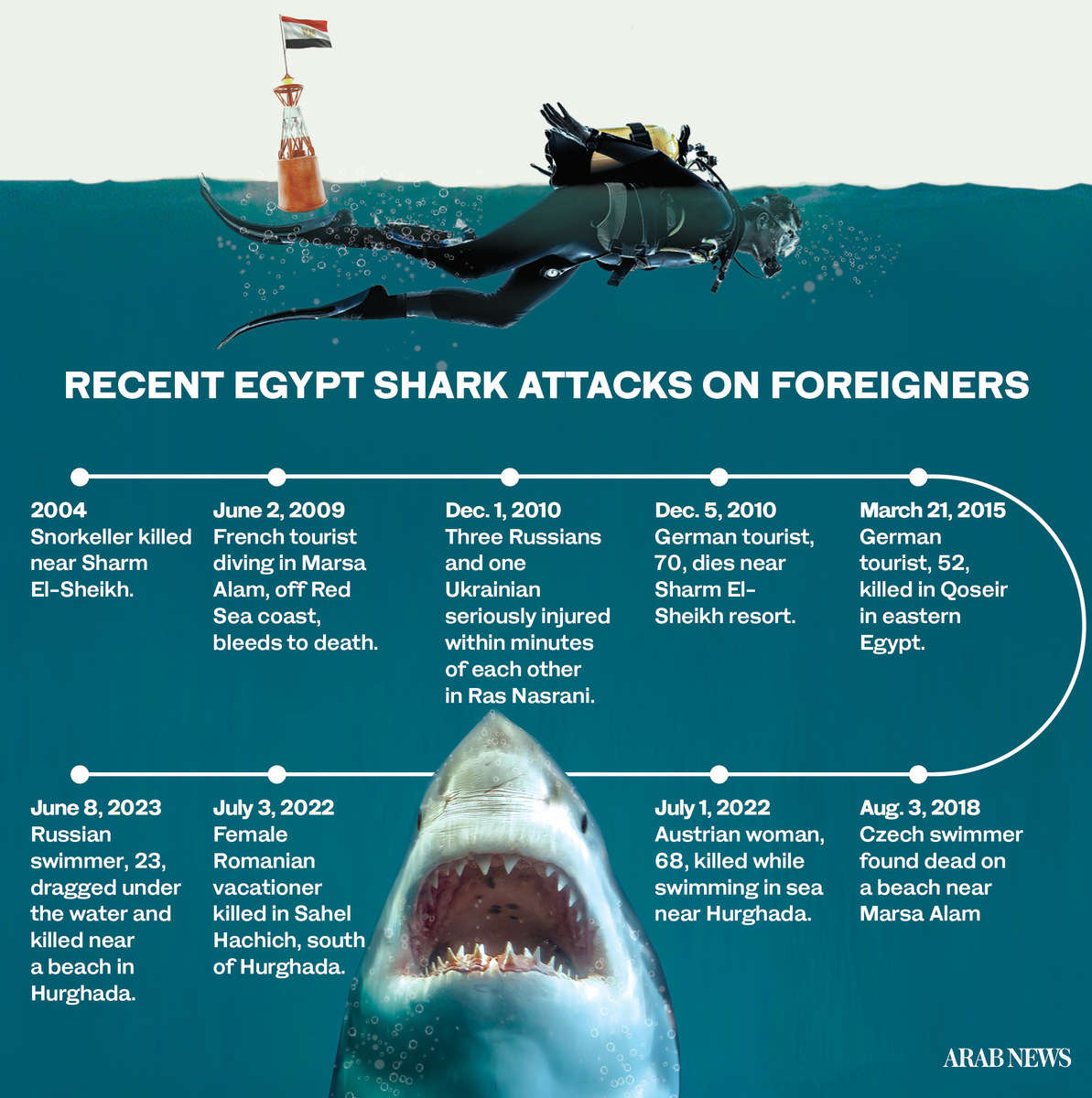
RedSeaTerror:SharkStrikesAgaininEgypt
Introduction
TheturquoisewatersoftheRedSea,ahavenfordiversandsun-seekersalike,haveonceagainbecomeasourceofanxiety.NewsofanothersharkattackinEgypthasrippledacrosstheglobe,raisingquestionsaboutsafety,tourism,andthedelicatebalancebetweenhumansandmarinelife.Butwhat’sreallygoingon,andwhatcanbedonetoensurebothhumansafetyandtheprotectionofthesemagnificentcreatures?Let’sdivein.
TheIncidentandImmediateReactions
Therecentattack,detailsofwhicharestillemerging,isastarkreminderthattheocean,forallitsbeauty,remainsawildandunpredictableenvironment.Whilesharkattacksarestatisticallyrare,thefeartheyinspireisundeniable.Theimmediateafteroftenincludestemporarybeachclosures,heightenedsurveillance,andasurgeofconcernfromtouristsandlocalbusinessesalike.Theeconomicimpactcanbesignificant,aspotentialvisitorsmaychoosealternativedestinations,andlocaldiveoperatorsandhotelsfacecancellations.
Butknee-jerkreactions,likewidespreadsharkculling,arenottheanswer.Suchmeasuresarenotonlyecologicallydamagingbutalsoineffectiveinthelongrun.Instead,amorenuancedandinformedapproachisrequired.
TheShort-TermImpacts:Fear,Finances,andtheMediaFrenzy
Theshort-termfalloutfromasharkattackismultifaceted.First,there’sthepalpablefear.Swimmersanddiversbecomeapprehensive,andtheoverallatmosphereonthecoastcanbecometense.Thenthere’stheeconomichit.Tourism,avitalindustryforEgypt,suffersasnewsheadlinesdetervisitors.Diveshops,hotels,andrestaurantsallfeelthepinch.Finally,themediaplaysacrucialrole,oftenamplifyingthefearthroughsensationalizedreporting.Whileinformingthepublicisessential,it’sequallyimportanttoavoidperpetuatingpanicandmisinformation.
TheLong-TermImpacts:ShiftingPerceptionsandtheNeedforSustainableSolutions
Thelong-termeffectsaremoresubtlebutnolesssignificant.RepeatedincidentscanpermanentlyalterperceptionsoftheRedSeaasasafetouristdestination.Thiscanleadtoadeclineinlong-terminvestmentandashiftinthedemographicsofvisitors,potentiallyfavoringthoseseekingcheaper,lessregulatedexperiences.Furthermore,thepressureto”dosomething”canleadtopoorlyconceivedmitigationeffortsthatharmthemarineecosystem.Forexample,excessivefishingtoreduceperceivedsharkpopulationscandisrupttheentirefoodchain,leadingtounforeseenconsequences.
What’sneededisalong-termstrategythataddressesboththeimmediatesafetyconcernsandthebroaderecologicalcontext.
PracticalSolutions:AMulti-ProngedApproach
So,whatcanbedone?Herearesomepractical,applicablesolutionsthatstrikeabalancebetweenhumansafetyandmarineconservation:
- EnhancedSurveillanceandMonitoring:
- Real-timeTracking:Implementsophisticatedsharktrackingsystemsusingsatellitetagsandacousticreceivers.Thisallowsauthoritiestomonitorsharkmovementsandissuetimelywarningswhentheyapproachpopulatedareas.
- DronePatrols:Employdronesequippedwithcamerasandthermalimagingtopatrolbeachesanddivingspots.Thisprovidesabird’s-eyeview,enablingrapiddetectionofsharksandswiftresponsesifnecessary.
- CaseStudy:InAustralia,theuseofdronepatrolshasprovenhighlyeffectiveindetectingsharksandalertingswimmersandsurfers,significantlyreducingtheriskofattacks.
- PublicEducationandAwareness:
- InformativeCampaigns:Launchcomprehensivepubliceducationcampaignstoinformtouristsandlocalsaboutsharkbehavior,safeswimmingpractices,andtheimportanceofmarineconservation.
- SignageandGuidelines:Installclearandinformativesignageatbeachesanddivingsites,outliningsafetyguidelinesandpotentialrisks.
- InteractiveWorkshops:Conductinteractiveworkshopsandtrainingsessionsfordiveoperators,lifeguards,andthegeneralpublic,equippingthemwiththeknowledgeandskillstorespondeffectivelytosharkencounters.
- StrategicBarrierDeployment:
- Eco-FriendlyBarriers:Installeco-friendlysharkbarriersinhigh-riskareas,suchaspopularswimmingbeachesanddivingspots.Thesebarrierscreateaphysicalseparationbetweenhumansandsharks,withoutharmingmarinelife.
- SubmergedNetting:Utilizesubmergednettingsystemstoprotectspecificareas,allowingforwaterflowandminimizingtheimpactonthemarineenvironment.
- CaseStudy:InSouthAfrica,theuseofsharkbarriersatcertainbeacheshasbeensuccessfulinreducingtheriskofattackswhilemaintainingahealthymarineecosystem.
- ResponsibleTourismPractices:
- RegulatedFeeding:Strictlyregulateorprohibitsharkfeedingactivities,asthesecanalternaturalsharkbehaviorandattractthemclosertopopulatedareas.
- SustainableDiving:Promotesustainabledivingpracticesthatminimizedisturbancetothemarineenvironmentandavoidactivitiesthatcouldprovokesharks.
- Eco-TourismInitiatives:Developeco-tourisminitiativesthatfocusoneducatingvisitorsaboutmarineconservationandpromotingresponsibleinteractionswithmarinelife.
- ScientificResearchandDataCollection:
- SharkBehaviorStudies:Investinscientificresearchtobetterunderstandsharkbehavior,migrationpatterns,andthefactorsthatcontributetoattacks.
- DataAnalysis:Collectandanalyzedataonsharksightings,attacks,andenvironmentalconditionstoidentifypatternsanddevelopmoreeffectivemitigationstrategies.
- CollaborativeResearch:Fostercollaborationbetweenscientists,marinebiologists,andlocalcommunitiestoensurethatresearcheffortsarerelevantandimpactful.
AlternativeApproaches:AdaptingtoLocalConditions
It’simportanttorecognizethataone-size-fits-allsolutiondoesn’texist.Thebestapproachwilldependonthespecificconditionsofeachlocation.Forexample:
- Forremotedivingsites:Emphasizebuddydiving,strictadherencetodiveprotocols,andtheuseofpersonalsharkdeterrents(suchaselectronicdevicesthatemitaharmlesspulse).
- Forbusybeaches:Prioritizeenhancedsurveillance,publiceducation,andthepotentialdeploymentofeco-friendlybarriers.
- Forareaswithlimitedresources:Focusonlow-costsolutionslikeimprovedsignage,community-basedpatrols,andeducationalprogramstargetedatlocalfishermen.
Conclusion:ACalltoAction
TherecentsharkattackintheRedSeaisawake-upcall.It’sareminderthatweneedtoapproachtheissuewithacombinationofcaution,knowledge,andadeeprespectforthemarineenvironment.Byimplementingamulti-prongedapproachthatincludesenhancedsurveillance,publiceducation,strategicbarrierdeployment,responsibletourismpractices,andscientificresearch,wecancreateasaferenvironmentforbothhumansandsharks.
Thisisnotjustaboutpreventingattacks;it’saboutfosteringasustainablerelationshipwiththeocean.Byworkingtogether–governments,tourismoperators,scientists,andlocalcommunities–wecanensurethattheRedSea remainsavibrantandthrivingdestinationforgenerationstocome.Let’stransformfearintoaction,andworktowardsafuturewherehumansandsharkscan coexispeacefullyinthestunningwatersoftheRedSea.Thetimetoactisnow.
“`