
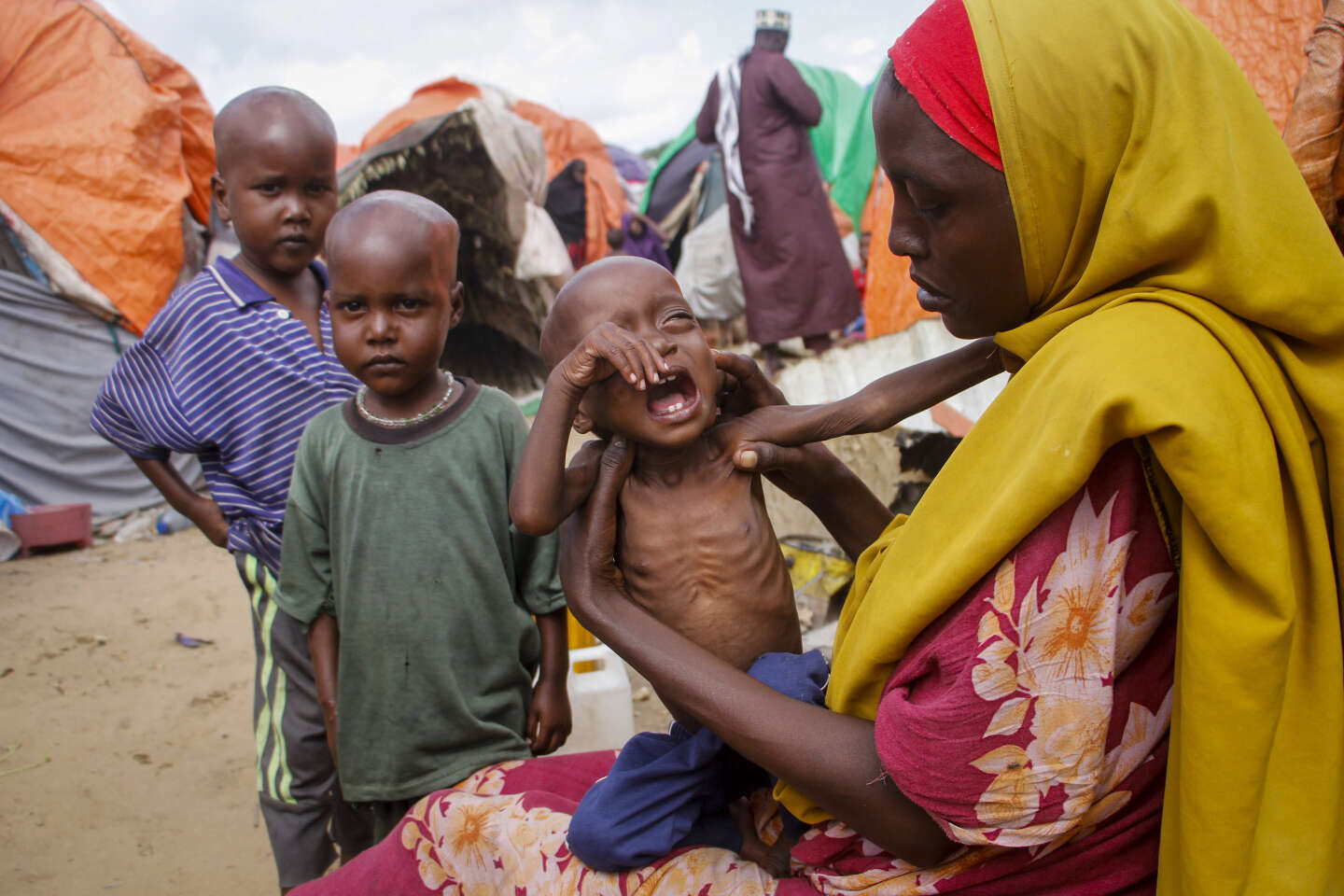
Somalia: Famine Looms, Again.
Introduction
You’ve seen the headlines. You’ve probably even scrolled past them. “Somalia Facing Famine.” It’s a story that feels tragically familiar, a recurring nightmare plaguing a nation already grappling with immense challenges. But before you tune out, let’s dig a little deeper. This isn’t just another news blip; it’s a critical juncture, a moment demanding attention and, more importantly, action. Why? Because the consequences of inaction are devastating, not just for Somalia, but for the global community as a whole.
Explanation of the Problem
Imagine a landscape where the earth is cracked and barren, where livestock, once a symbol of wealth and sustenance, lie emaciated and lifeless. Imagine children, their bellies swollen with hunger, their eyes holding an ancient weariness. This isn’t a scene from a dystopian movie; it’s the stark reality threatening Somalia today. Years of drought, exacerbated by climate change, coupled with ongoing conflict and political instability, have created a perfect storm, pushing millions to the brink of starvation.
Short-Term Pain, Long-Term Scars
The immediate impact of this impending famine is heart-wrenching. We’re talking about widespread malnutrition, soaring death rates, and the displacement of entire communities. Families are forced to make impossible choices: which child gets the last morsel of food? Do they stay and risk starvation, or embark on a perilous journey in search of aid? These are not theoretical dilemmas; they are the agonizing decisions facing Somali families every single day.
But the long-term consequences are equally devastating. Malnutrition stunts physical and cognitive development in children, hindering their ability to learn and contribute to society. It perpetuates a cycle of poverty, trapping generations in a desperate struggle for survival. Furthermore, the competition for scarce resources fuels conflict, exacerbating existing tensions and undermining efforts to build a stable and prosperous future. A nation deprived of its future leaders and workforce is a nation struggling to survive.
Solutions
While humanitarian aid is crucial in the immediate aftermath of a crisis, it’s not a sustainable solution. We need to move beyond simply providing handouts and focus on building resilience, empowering communities to withstand future shocks. So, what can be done?
- Investing in Climate-Resilient Agriculture: Traditional farming practices in Somalia are heavily reliant on rainfall, making them extremely vulnerable to drought. Introducing drought-resistant crops, promoting water conservation techniques, and investing in irrigation systems can significantly improve food security.
- Example: Organizations like the Food and Agriculture Organization (FAO) are working with Somali farmers to introduce climate-smart agriculture techniques, such as terracing and water harvesting, which help to conserve water and improve soil fertility. These practices have shown promising results in increasing crop yields and reducing the impact of drought.
- Strengthening Livestock Management: Livestock is a vital source of income and nutrition for many Somalis. Providing veterinary services, promoting sustainable grazing practices, and helping communities diversify their livestock holdings can help them weather periods of drought.
- Example: Programs that provide mobile veterinary clinics to remote communities can help prevent livestock diseases and improve animal health. These clinics offer essential vaccinations, deworming treatments, and advice on livestock management.
- Promoting Peace and Stability: Conflict is a major driver of food insecurity in Somalia. Supporting peacebuilding initiatives, strengthening governance structures, and empowering local communities to resolve disputes can create a more stable environment for development.
- Example: Local peace committees, composed of elders and community leaders, play a crucial role in mediating conflicts and promoting reconciliation. Supporting these committees with resources and training can help them to effectively address disputes and prevent violence.
- Empowering Women: Women play a crucial role in agriculture and household food security. Providing women with access to education, training, and financial resources can significantly improve their ability to cope with drought and contribute to their communities.
- Example: Microfinance programs that provide small loans to women entrepreneurs can help them to start their own businesses and generate income. These programs often provide training and support to help women manage their businesses effectively.
- Early Warning Systems and Disaster Preparedness: Investing in early warning systems and disaster preparedness measures can help communities prepare for and respond to droughts more effectively.
- Example: The Famine Early Warning Systems Network (FEWS NET) provides timely information and analysis on food security conditions in Somalia. This information can be used to trigger early responses, such as distributing food aid or providing water to drought-affected communities.
- Diversifying Livelihoods: Over-reliance on agriculture and livestock makes communities vulnerable to drought. Supporting alternative livelihoods, such as fishing, small-scale manufacturing, and trade, can help them diversify their income sources and reduce their dependence on rainfall.
- Example: Programs that provide training and equipment to help people start small businesses can create alternative income-generating opportunities. These programs often focus on skills that are in demand in the local market, such as tailoring, carpentry, and mechanics.
Conclusion
The scale of the challenge facing Somalia is daunting, but it’s not insurmountable. The solutions are within reach, but they require a concerted effort from the international community, the Somali government, and local communities themselves. We need to move beyond simply expressing concern and commit to providing sustained support for long-term development initiatives.
This isn’t just about charity; it’s about investing in a more stable and prosperous future for Somalia and for the world. It’s about recognizing that our fates are intertwined, that the challenges facing one nation can have ripple effects across the globe.
A Collective Responsibility: Moving from Awareness to Action
What can you do?
- Support Organizations on the Ground: Donate to reputable organizations working to address the root causes of food insecurity in Somalia. Research different organizations and choose one whose mission aligns with your values.
- Advocate for Policy Change: Contact your elected officials and urge them to support policies that promote peace, development, and climate action in Somalia.
- Raise Awareness: Share this article with your friends and family and help to spread the word about the crisis in Somalia.
- Consider Ethical Consumption: Research the impact of your consumption habits on the environment and make conscious choices to support sustainable practices.
The situation in Somalia is dire, but it’s not hopeless. By working together, we can help to break the cycle of famine and build a brighter future for the Somali people. Let’s choose action over apathy, hope over despair. Let’s stand in solidarity with Somalia and commit to creating a world where no one has to face the tragedy of starvation. The time to act is now. The future of Somalia, and in some small part, our own, depends on it.