
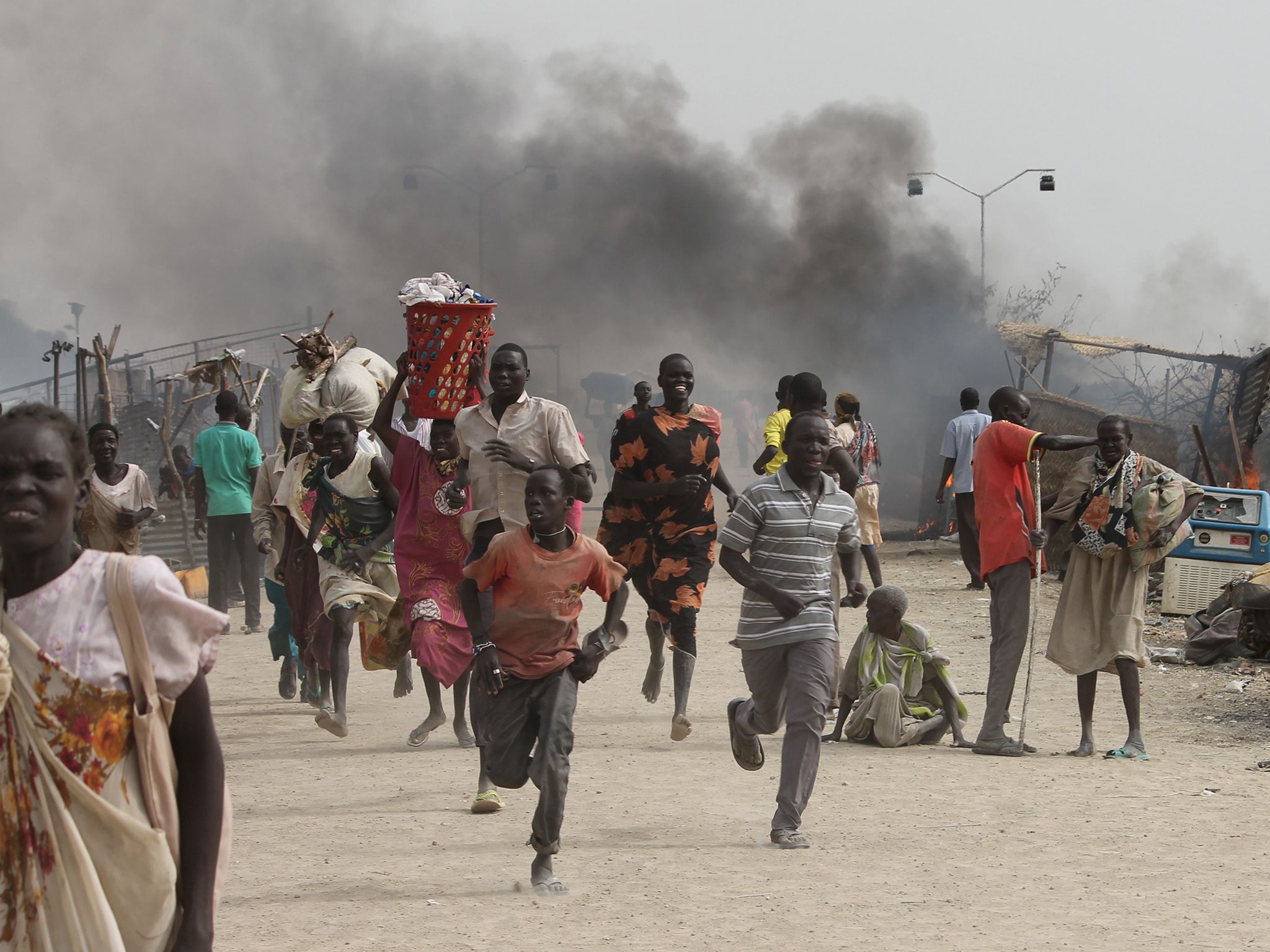
South Sudan: Bleeding Out
Introduction
Imagine a wound, deep and festering, refusing to heal. That’s South Sudan. Independent since 2011, birthed from decades of brutal civil war, the fledgling nation has, tragically, spent more time at war with itself than at peace. We’re not just talking about skirmishes; we’re talking about a nation consistently on the brink, bleeding out its potential, its resources, and its very future.
Why should you care? Because South Sudan is a stark reminder of how fragile peace can be, how quickly hope can turn to ashes, and how interconnected our world truly is. What happens there, in the heart of Africa, has ripple effects that touch us all, from humanitarian crises to global security concerns. So, let’s delve in.
The Scars of a Nation: Short-Term and Long-Term Impacts
The immediate consequences of South Sudan’s instability are heart-wrenching. Millions are displaced, living in overcrowded camps or fleeing to neighboring countries. Food insecurity is rampant; children suffer from malnutrition, their bodies and minds stunted. Healthcare systems are collapsing, leaving people vulnerable to preventable diseases. Imagine trying to raise a family in that environment, knowing that your child’s chances of surviving to adulthood are slim. That’s the daily reality for millions of South Sudanese.
But the long-term impacts are even more insidious. Decades of conflict have eroded trust between communities, fueling cycles of revenge and making reconciliation incredibly difficult. The economy, heavily reliant on oil, is in tatters, unable to provide jobs or opportunities for its citizens. Education has been disrupted, creating a lost generation with limited skills and prospects. The constant trauma and insecurity also have lasting psychological effects, leading to mental health issues and social dysfunction. It’s a vicious cycle – conflict breeds poverty, poverty fuels resentment, and resentment leads back to conflict.
The bleeding out isn’t just physical; it’s the erosion of the very fabric of society, the loss of hope, and the crippling of a nation’s potential.
Stanching the Bleeding: Practical Solutions for a Nation in Crisis
The good news is that the wound, though deep, isn’t necessarily fatal. There are ways to stanch the bleeding and start the long, arduous process of healing. Here are some practical, applicable solutions:
- Grassroots Peacebuilding: Peace can’t be imposed from above; it must be built from the ground up. That means investing in local peace initiatives that bring communities together to address their grievances, resolve conflicts, and build trust.
- Example: The “Peace Through Sports” program in South Sudan uses sports as a tool to promote reconciliation and understanding between different ethnic groups. By playing together, young people learn to see each other as teammates rather than enemies.
- Economic Diversification: South Sudan’s over-reliance on oil makes it vulnerable to price fluctuations and corruption. Diversifying the economy by investing in agriculture, small businesses, and other sectors can create jobs, reduce poverty, and empower communities.
- Example: Supporting local farmers with access to improved seeds, tools, and training can boost agricultural production, increase food security, and create opportunities for income generation.
- Good Governance and Accountability: Corruption and lack of accountability have plagued South Sudan since its independence. Strengthening governance institutions, promoting transparency, and holding leaders accountable for their actions are crucial for building trust and stability.
- Example: Implementing a robust anti-corruption framework, including independent oversight bodies and whistleblower protection, can deter corruption and promote transparency in government operations.
- Education and Skills Development: Investing in education is essential for building a brighter future for South Sudan. Providing access to quality education, vocational training, and skills development programs can empower young people to become productive members of society and contribute to the country’s development.
- Example: Establishing vocational training centers that offer courses in carpentry, plumbing, tailoring, and other skills that are in demand in the local market can help young people find employment and start their own businesses.
- Trauma Healing and Reconciliation: Addressing the psychological wounds of conflict is essential for long-term healing. Providing access to mental health services, trauma counseling, and reconciliation programs can help individuals and communities heal from the trauma of war and build a more peaceful future.
- Example: Establishing community-based mental health programs that offer counseling and support to individuals and families affected by conflict can help reduce stigma and promote healing.
Alternative Approaches: A Toolbox for Healing
There’s no one-size-fits-all solution to South Sudan’s problems. Different approaches may work better in different contexts. Here are some alternative ideas to consider:
- Conditional Aid: Instead of providing unconditional aid, donors could tie aid to specific benchmarks for peace, governance, and human rights. This would create incentives for progress and accountability.
- Regional Mediation: Engaging neighboring countries and regional organizations in the peace process can bring new perspectives and leverage their influence to promote dialogue and compromise.
- Community-Based Justice: Empowering local communities to resolve disputes and administer justice can promote reconciliation and reduce reliance on formal legal systems, which are often weak and inaccessible.
- Diaspora Engagement: Engaging the South Sudanese diaspora in the peacebuilding and development process can bring valuable skills, resources, and perspectives to the table.
A Call to Action: You Can Make a Difference
The situation in South Sudan may seem overwhelming, but it’s crucial to remember that every little bit helps. You don’t have to be a politician or a philanthropist to make a difference. Here are some simple actions you can take:
- Educate yourself: Learn more about the conflict in South Sudan and the challenges facing the country.
- Spread awareness: Share information about South Sudan with your friends, family, and colleagues.
- Support humanitarian organizations: Donate to reputable organizations that are working to provide aid and support to the people of South Sudan.
- Advocate for change: Contact your elected officials and urge them to support policies that promote peace, stability, and development in South Sudan.
The Light at the End of the Tunnel
South Sudan’s journey to peace and stability will be long and challenging. There will be setbacks and disappointments along the way. But even in the darkest of times, there is always hope. The South Sudanese people are resilient, resourceful, and determined to build a better future for themselves and their children.
By working together, we can help them stanch the bleeding, heal the wounds, and build a nation where peace, justice, and prosperity prevail. It won’t be easy, but it’s a goal worth fighting for. South Sudan can rise again, but it needs our help. Let’s not let it bleed out. Let’s give them a chance to heal.