
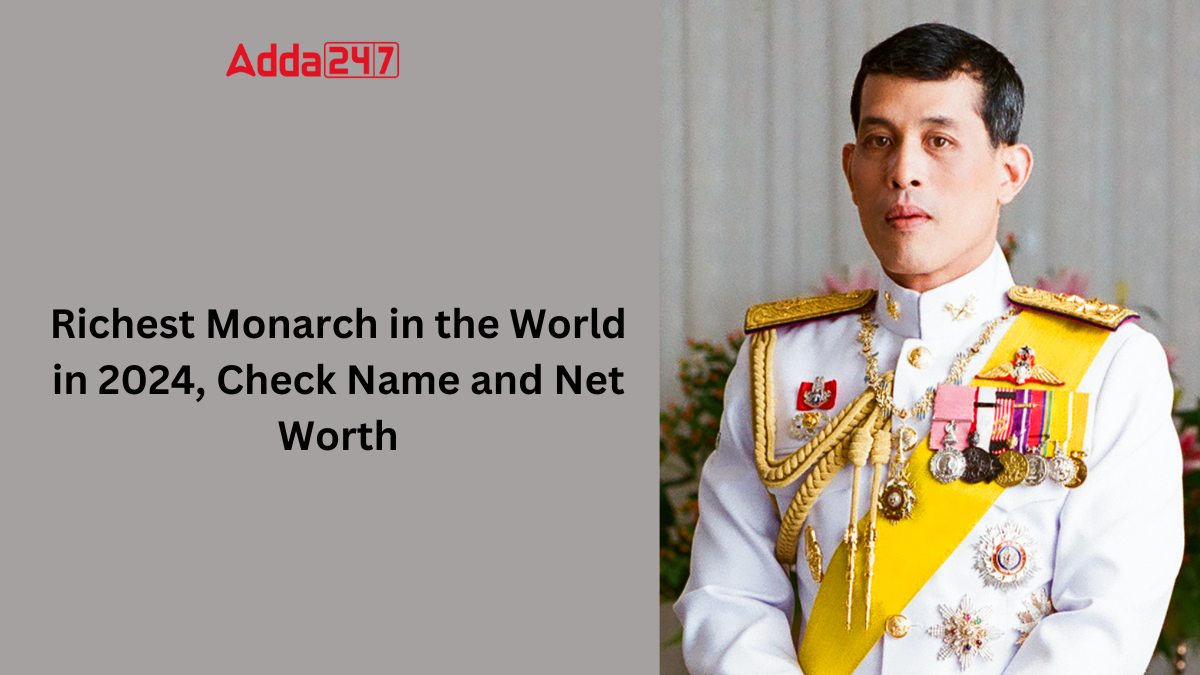
Throne Shift: The World’s Richest Monarch of 2024 Revealed
Introduction
For centuries, the world has been captivated by royalty – their opulent lifestyles, their historical significance, and of course, their immense wealth. We’ve all wondered at some point: who truly sits atop the throne, not just in power, but in pure financial might? Forget the fairy tales; we’re diving into the real-world kingdom of cold, hard cash. In 2024, there’s been a shift. A throne shift, if you will. Are you ready to find out who claims the crown of the world’s richest monarch?
The answer might surprise you. It’s not who you traditionally expect. While names like the King of England or the Sultan of Brunei often spring to mind, the current titleholder, according to recent estimates, is King Maha Vajiralongkorn of Thailand.
Yes, you read that right. King Vajiralongkorn, also known as Rama X, is estimated to possess a staggering net worth, placing him far ahead of his royal counterparts across the globe. But how did he amass such a fortune, and what does his wealth mean for Thailand and the world? Let’s delve into the details and explore the broader implications of this regal financial dominance.
A Kingdom of Assets: Unpacking the Royal Wealth
King Vajiralongkorn’s wealth isn’t built on fairytale gold mines or ancient treasures alone. It’s a sophisticated portfolio of investments, land holdings, and strategic assets. A significant portion of his fortune is managed by the Crown Property Bureau (CPB), which holds vast tracts of land in prime locations across Thailand, particularly in bustling Bangkok. This isn’t just empty fields; we’re talking about lucrative commercial real estate, luxury hotels, and shares in major companies.
Think of it this way: imagine owning some of the most valuable real estate in a major global city. The rental income alone would be astronomical! That’s the scale we’re talking about here. Beyond real estate, the CPB also has significant stakes in Siam Commercial Bank, one of Thailand’s largest banks, and Siam Cement Group, a leading industrial conglomerate. These investments provide a steady stream of revenue, further solidifying the King’s financial position.
Impact: Short-Term Splendor and Long-Term Scrutiny
So, what does all this wealth mean, both immediately and down the line?
- Short-Term Impact: The immediate impact is often visible in the King’s ability to support philanthropic endeavors, fund national projects, and contribute to the Thai economy. A strong royal family can project an image of stability and confidence, which can attract foreign investment and boost tourism. Opulent royal ceremonies and events, while sometimes controversial, also contribute to the tourism industry and generate economic activity.
- Long-Term Impact: The long-term implications are more complex. The concentration of wealth in the hands of a single individual raises questions about economic inequality and the distribution of resources within Thailand. While the CPB claims to operate in the best interests of the Thai people, the lack of transparency surrounding its operations can fuel public debate and calls for reform.
The sheer scale of the King’s wealth also creates a complex relationship with the Thai government. While the monarchy is constitutionally separate from the government, the CPB’s economic power inevitably influences policy decisions and the overall economic landscape. This creates a delicate balance that requires careful navigation to ensure stability and public trust.
Bridging the Gap: Solutions for a Balanced Kingdom
The challenge lies in leveraging the benefits of the monarchy’s wealth while addressing concerns about transparency, equity, and accountability. Here are a few practical solutions:
- Increased Transparency: This is the cornerstone of building public trust. The CPB could release more detailed information about its investments, financial performance, and overall strategy. This doesn’t necessarily mean disclosing every detail, but providing a clear overview of how the assets are managed and the benefits they generate for the Thai people.
Example: The Norwegian Government Pension Fund Global, one of the world’s largest sovereign wealth funds, publishes detailed annual reports that outline its investment strategy, performance, and environmental, social, and governance (ESG) policies. This level of transparency builds public confidence and ensures accountability.
- Targeted Philanthropy: While the monarchy likely already engages in charitable activities, focusing on strategic philanthropy that addresses specific social and economic challenges could have a more significant impact. This could involve investing in education, healthcare, rural development, or environmental conservation.
Example: The Bill & Melinda Gates Foundation focuses its philanthropic efforts on specific global challenges, such as eradicating diseases, improving education, and reducing poverty. This targeted approach allows them to measure the impact of their investments and ensure that they are making a real difference.
- Diversifying Investment: While real estate has been a traditional stronghold, diversifying the CPB’s investment portfolio into other sectors, such as renewable energy, technology, or sustainable agriculture, could help to future-proof the monarchy’s wealth and contribute to Thailand’s economic development.
Example: The Singaporean sovereign wealth fund, GIC, has diversified its investments globally across a wide range of asset classes, including private equity, infrastructure, and real estate. This diversification reduces risk and allows the fund to capitalize on opportunities in different markets.
- Promoting Financial Literacy: Initiatives to improve financial literacy among the Thai population could help to bridge the gap between the wealthy elite and the general public. This could involve providing educational programs, workshops, and resources to help people understand financial concepts and make informed decisions about their own finances.
Example: Numerous organizations offer free financial literacy programs to help people manage their money, save for the future, and avoid debt. These programs can empower individuals to take control of their finances and improve their overall economic well-being.
Alternative Approaches:
- Gradual Divestment: While a radical redistribution of wealth is unlikely, a gradual divestment of some assets into public trusts or charitable foundations could help to address concerns about economic inequality without undermining the monarchy’s financial stability.
- Public-Private Partnerships: The CPB could partner with private sector companies on infrastructure projects and other development initiatives, leveraging its financial resources to stimulate economic growth and create jobs.
- Establish an Independent Oversight Body: Creating an independent body to oversee the CPB’s operations and ensure that it is acting in the best interests of the Thai people could enhance transparency and accountability.
The Path Forward: A Kingdom of Opportunity
The revelation of King Maha Vajiralongkorn as the world’s richest monarch presents both challenges and opportunities. By embracing transparency, focusing on strategic philanthropy, diversifying investments, and promoting financial literacy, Thailand can leverage the monarchy’s wealth to create a more prosperous and equitable society.
The key is to view this immense wealth not just as a symbol of power, but as a resource that can be harnessed for the benefit of all Thai citizens. By taking proactive steps to address concerns about inequality and accountability, Thailand can build a stronger, more resilient, and more united kingdom for generations to come.
This is not just about managing money; it’s about building a legacy. A legacy of progress, prosperity, and shared opportunity. The throne has shifted, and with it, the potential for a brighter future for Thailand. The time to act is now.