
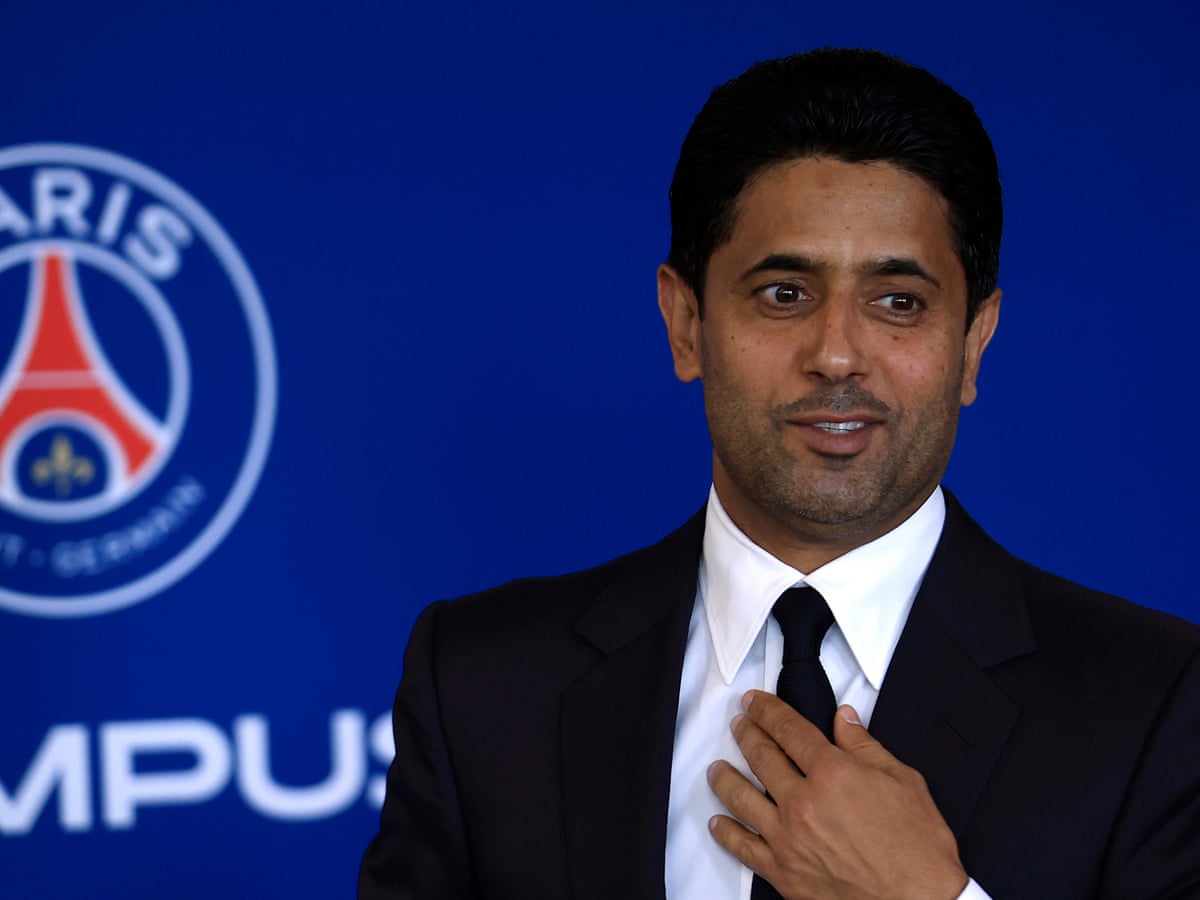
Nasser Al-Khelaifi: The Price of Power
Introduction
Imagine standing at the pinnacle of global football. You’re not just a fan or a player; you’re the orchestrator, the architect, the very embodiment of ambition. That’s Nasser Al-Khelaifi, President of Paris Saint-Germain (PSG) and Chairman of beIN Media Group. He’s a figure synonymous with immense wealth, influence, and a relentless pursuit of success. But behind the dazzling lights of the Parc des Princes and the billions spent on superstar signings, lies a crucial question: What’s the price of power, and is it a price worth paying?
Al-Khelaifi’s ascent has been meteoric. From relative obscurity to one of the most powerful figures in sports, his journey is a testament to vision, determination, and the backing of Qatari investment. He’s transformed PSG from a domestic powerhouse to a global brand, attracting some of the biggest names in football history like Neymar, Lionel Messi, and Kylian Mbappé. He’s challenged the established order, disrupted traditional financial models, and forced the entire footballing world to sit up and take notice.
But this revolution hasn’t come without its costs. The relentless pursuit of Champions League glory, the accusations of financial fair play violations, the intense media scrutiny, and the pressure to constantly deliver – it all takes a toll. This article delves into the multifaceted “price of power” Al-Khelaifi pays, examining both the immediate and long-term consequences, and exploring potential solutions to navigate these challenges.
Explanation of the Problem
The Short-Term Stings:
The immediate burdens are often the most visible. They include:
- Unwavering Pressure: Every season is judged on whether PSG lifts the Champions League trophy. Anything less is deemed a failure. This creates a constant state of high alert, impacting player morale, managerial stability, and overall club culture. The constant pressure to succeed can lead to rash decisions, like repeatedly changing managers in search of that elusive European title, rather than fostering long-term stability and development.
- Scrutiny and Controversy: Al-Khelaifi’s position attracts relentless scrutiny from media, rivals, and governing bodies. Accusations of financial doping and bending Financial Fair Play (FFP) rules have plagued his tenure, leading to investigations, fines, and reputational damage. This constant battle against external forces drains resources and diverts focus from on-field performance.
- Player Power Dynamics: Signing superstar players comes with its own set of challenges. Managing egos, ensuring squad harmony, and navigating complex contract negotiations are all part of the package. The power dynamic can shift, with players wielding considerable influence over managerial decisions and club strategy, potentially undermining Al-Khelaifi’s authority.
The Long-Term Repercussions:
The long-term impacts of Al-Khelaifi’s approach are perhaps even more significant:
- Unsustainable Spending: While PSG’s financial backing is substantial, the relentless pursuit of superstar signings risks creating an unsustainable financial model. Over-reliance on Qatari investment without generating sufficient organic revenue can create vulnerabilities and expose the club to future financial constraints.
- Reputational Damage: The constant accusations of financial foul play, regardless of their validity, erode the club’s reputation and brand image. This can impact sponsorship deals, fan loyalty, and the club’s ability to attract future talent.
- League Competitiveness: PSG’s dominance in Ligue 1, while impressive, has arguably diminished the league’s competitiveness. The vast disparity in resources between PSG and other French clubs creates a predictable outcome, potentially deterring fans and impacting the league’s overall appeal.
Solutions
Finding a Sustainable Path: Practical Solutions
Al-Khelaifi faces a critical juncture. While his ambition and drive are undeniable, he must adapt his approach to ensure long-term success and sustainability. Here are some potential solutions:
- Prioritize Sustainable Growth:
- Focus on Youth Development: Invest in PSG’s academy and cultivate young talent. This reduces reliance on expensive signings and creates a pipeline of future stars. For instance, Ajax Amsterdam’s successful youth academy has consistently produced world-class players while maintaining financial stability.
- Increase Commercial Revenue: Diversify revenue streams beyond Qatari investment. Explore new sponsorship opportunities, expand the club’s global reach, and develop innovative merchandising strategies.
- Adhere to FFP Regulations: Ensure full compliance with FFP regulations to avoid sanctions and maintain a positive reputation. This might involve selling players to balance the books or negotiating creative financial arrangements.
- Foster a Positive Club Culture:
- Empower the Manager: Give the manager greater autonomy and support in building a cohesive team. Resist the temptation to constantly change managers in search of quick fixes.
- Promote Teamwork and Humility: Emphasize the importance of teamwork and humility among players. Instill a culture where individual egos are subservient to the collective goals of the team.
- Engage with Fans: Strengthen the bond with fans by involving them in club decisions and creating a sense of community.
- Embrace Transparency and Accountability:
- Communicate Openly: Be transparent about the club’s financial situation and strategic goals. Address concerns and criticisms in a proactive and constructive manner.
- Promote Ethical Conduct: Uphold the highest ethical standards in all club dealings. Avoid any actions that could be perceived as unethical or illegal.
- Accept Accountability: Take responsibility for mistakes and learn from them. Demonstrate a commitment to continuous improvement.
Alternative Approaches: Diversifying Power
Al-Khelaifi could also consider alternative approaches to mitigate the pressures of his role:
- Delegation of Authority: Delegate more responsibility to trusted executives within the club and beIN Media Group. This would alleviate the burden of decision-making and allow him to focus on strategic oversight.
- Independent Oversight Board: Establish an independent oversight board to provide objective advice and ensure ethical governance. This would enhance transparency and accountability.
- Strategic Partnerships: Forge strategic partnerships with other clubs and organizations to share resources and expertise. This could reduce the club’s reliance on individual leadership and foster a more collaborative approach.
Conclusion
Nasser Al-Khelaifi’s journey is far from over. He has the opportunity to not only build a footballing dynasty but also to create a lasting legacy. By embracing sustainable growth, fostering a positive club culture, and promoting transparency and accountability, he can navigate the challenges of power and create a future where PSG’s success is measured not just by trophies, but by its positive impact on the sport and the community.
The price of power is undoubtedly high, but with the right approach, Al-Khelaifi can transform it into a valuable investment in the future of PSG and the beautiful game. It’s time to shift the focus from immediate gratification to long-term sustainability, from individual brilliance to collective achievement. The opportunity to build a truly enduring legacy awaits.