
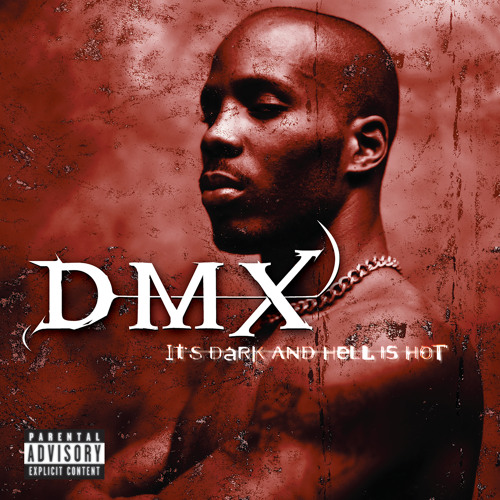
DMX:Ruff Rydin’ No More
The guttural growl.The raw energy.The confessional lyrics that laid bare a soul wrestling with demons.For a generation,DMX was the sound of struggle,the voice of the underdog.But the passing of Earl Simmons in 2021 wasn’t just the loss of a rap icon;it was a stark reminder of the vulnerabilities that often lurk beneath the surface of fame and fortune.DMX:Ruff Rydin’ No More.A legend silenced,leaving behind a legacy both inspiring and cautionary.But the question lingers:what now?
We mourn the artist,but we must also examine the systemic issues that contributed to his struggles,issues that continue to plague artists across genres and generations.This isn’t about placing blame,but about understanding the short-term and long-term impacts of untreated addiction,mental health challenges,and the pressures of a demanding industry,and finding tangible solutions.
The Echoes of Addiction and Mental Health:A Double-Edged Sword
DMX’s struggles with addiction were tragically public.He spoke candidly about his early exposure to drugs and the lifelong battle that ensued.While his openness was admirable,it also highlighted the devastating cycle that too often traps individuals battling substance abuse.
Short-Term Impacts: The immediate consequences of addiction are often dire.They include strained relationships,financial instability,legal issues,and,in the worst cases,overdose and death.For artists,this can translate to canceled tours,lost recording contracts,and a damaged reputation,further fueling the cycle of addiction.
Long-Term Impacts: The long-term effects are even more insidious.Chronic substance abuse can lead to irreversible health problems,including organ damage and cognitive impairment.For artists,this can mean a diminished creative output,an inability to perform,and a lasting impact on their legacy.Furthermore,the stigma surrounding addiction can prevent individuals from seeking help,perpetuating the cycle of silence and suffering.
Mental health is inextricably linked to addiction.DMX openly discussed his struggles with depression and trauma stemming from a difficult childhood.Untreated mental health issues often exacerbate addiction,and vice versa,creating a vicious cycle that can be incredibly difficult to break.
Short-Term Impacts: Anxiety,depression,and other mental health conditions can lead to poor decision-making,substance abuse,and social isolation.For artists,this can manifest as stage fright,performance anxiety,creative blocks,and a general inability to cope with the pressures of the industry.
Long-Term Impacts: Chronic mental health issues can significantly impact an individual’s quality of life,leading to chronic health problems,relationship difficulties,and a decreased ability to function effectively in daily life.For artists,this can mean a shortened career,a diminished legacy,and a lasting impact on their personal well-being.
The Pressure Cooker of Fame:A Recipe for Disaster
The music industry is a notoriously demanding environment.The constant pressure to create,perform,and maintain a public image can take a significant toll on an individual’s mental and emotional well-being.
Short-Term Impacts: The immediate effects of this pressure can include burnout,stress,anxiety,and depression.Artists may resort to unhealthy coping mechanisms,such as substance abuse,to manage the demands of their careers.
Long-Term Impacts: Over time,the relentless pressure can lead to chronic stress,anxiety disorders,and other mental health problems.Artists may experience a decline in their creativity,a loss of passion for their work,and a general sense of disillusionment.
Breaking the Cycle:Practical Solutions for a Healthier Future
The story of DMX,while tragic,can serve as a catalyst for change.Here are some practical solutions that can help artists avoid the pitfalls that plagued him and many others:
- Prioritize Mental Health and Well-being:
- Therapy and Counseling: Encourage artists to seek professional help to address mental health issues and develop healthy coping mechanisms.This can include individual therapy,group therapy,and family therapy.Example: Many record labels are now offering mental health benefits as part of their artist contracts.
- Mindfulness and Meditation: Promote mindfulness and meditation practices as a way to manage stress and anxiety.These techniques can help artists stay grounded and centered amidst the chaos of the industry.Example: Apps like Calm and Headspace offer guided meditation programs specifically designed for busy individuals.
- Healthy Lifestyle: Encourage artists to adopt healthy lifestyle habits,such as regular exercise,a balanced diet,and sufficient sleep.These habits can significantly improve mental and emotional well-being.Example: Many fitness trainers specialize in working with artists and athletes to develop personalized fitness plans.
- Build a Strong Support System:
- Family and Friends: Encourage artists to maintain close relationships with family and friends who can provide emotional support and guidance.
- Mentors and Role Models: Connect artists with mentors and role models who have successfully navigated the challenges of the industry and can offer valuable insights and advice.Example: Organizations like MusiCares provide mentorship programs for musicians struggling with addiction and mental health issues.
- Peer Support Groups: Create peer support groups where artists can connect with others who understand their experiences and share their struggles and successes.
- Develop Healthy Coping Mechanisms:
- Creative Outlets: Encourage artists to explore alternative creative outlets,such as writing,painting,or playing a musical instrument,as a way to express their emotions and manage stress.
- Hobbies and Interests: Promote the importance of pursuing hobbies and interests outside of music to maintain a sense of balance and perspective.
- Time Management: Help artists develop effective time management skills to avoid burnout and prioritize their well-being.
- Advocate for Systemic Change:
- Industry Awareness: Raise awareness within the music industry about the importance of mental health and addiction treatment.
- Policy Reform: Advocate for policies that support access to affordable and accessible mental health care for artists.
- Reduce Stigma: Work to reduce the stigma surrounding mental health and addiction to encourage artists to seek help without fear of judgment.
Alternative Approaches:
- Holistic Wellness Programs: Implement comprehensive wellness programs that address the physical,mental,and emotional needs of artists.These programs can include yoga,massage therapy,and other alternative therapies.
- Financial Literacy Training: Provide artists with financial literacy training to help them manage their money and avoid financial stress.
- Legal Support: Offer artists access to legal support to help them navigate the complexities of the music industry and protect their rights.
The Road Ahead:A Call to Action
DMX’s legacy extends beyond his music.It’s a call to action,urging us to address the systemic issues that contribute to the struggles of artists and to create a more supportive and compassionate environment.By prioritizing mental health,building strong support systems,developing healthy coping mechanisms,and advocating for systemic change,we can help artists thrive and create a future where no one has to suffer in silence.
The journey won’t be easy,but it is essential.Let us honor DMX’s memory by embracing a proactive approach to artist well-being and ensuring that no artist ever has to feel like they are Ruff Rydin’ alone.The power to create change lies within us.Let’s rise to the occasion and build a healthier,more supportive music industry for all.Let DMX’s story not be a tragic end,but a powerful beginning.