
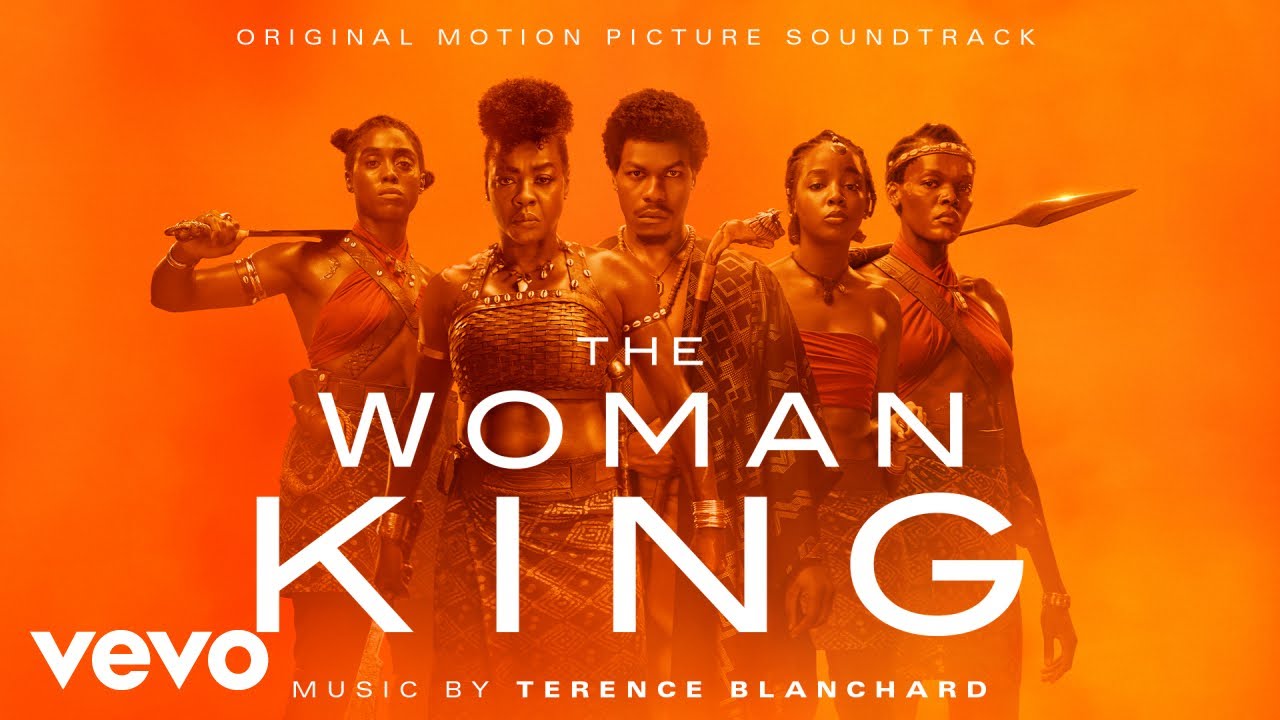
Woman King:Blood,Glory,and the Price of Freedom
Introduction
Have you ever stopped to consider the weight of freedom?It’s a word we toss around casually,woven into anthems and political speeches,but what does it truly mean?What are we willing to sacrifice for it?The movie “The Woman King” thrust these questions into the spotlight,painting a visceral portrait of the Agojie,the all-female warrior regiment of the Kingdom of Dahomey in the 19th century.While the film takes liberties with historical accuracy,it sparked a global conversation about power,oppression,and the agonizing choices inherent in the fight for liberation.
Beyond the thrilling battle sequences and compelling performances,”The Woman King” invites us to contemplate the enduring struggle against injustice and the multifaceted price of achieving freedom – a price often paid in blood,etched in history,and carried in the hearts of those who dare to fight.Let’s delve into the complexities revealed by this cinematic portrayal,exploring both the immediate consequences and the lingering impact of choices made in the pursuit of freedom.
The Immediate Crucible:Choices Forged in Fire
The Agojie faced a brutal reality.They were tasked with protecting Dahomey,a kingdom deeply entangled in the transatlantic slave trade.This created a moral tightrope.Did their valor in battle,their defense of their homeland,justify the kingdom’s participation in an industry that ravaged other African communities?
This dilemma highlights the immediate,agonizing choices faced by those fighting for freedom.Is it permissible to compromise one’s values to achieve a greater good?How do you reconcile protecting your own community with the suffering inflicted on others?
The film showcases the internal conflicts within the Agojie themselves.Some,like General Nanisca (played with formidable intensity by Viola Davis),grapple with the horrors they’ve witnessed and the moral compromises they’ve been forced to make.Others,like the young and fiercely independent Nawi,represent a new generation questioning the status quo.This internal conflict underscores the fact that the fight for freedom is rarely a monolithic endeavor.It’s a messy,complicated process,often marked by dissent and disagreement.
The immediate price of fighting for freedom is often measured in blood and sacrifice.The Agojie faced constant threats,endured rigorous training,and risked their lives in every battle.The film doesn’t shy away from depicting the physical and emotional toll this took on the warriors.The cost of freedom is rarely abstract;it’s often deeply personal and painfully real.
The Long Shadow:Legacies of Freedom and Complicated Truths
The long-term impacts of the Agojie’s actions,and Dahomey’s participation in the slave trade,are even more complex.Even if Dahomey had completely abolished slavery,the damage was already done.The legacy of the slave trade continues to reverberate through history,shaping social and economic inequalities that persist to this day.
“The Woman King” sparked debate about historical accuracy,and rightly so.Glorifying a kingdom complicit in the slave trade without fully acknowledging the victims and the profound consequences would be a disservice.However,the controversy also presented an opportunity to engage in a more nuanced discussion about the complexities of history.History is rarely black and white;it’s filled with shades of grey,moral ambiguities,and conflicting narratives.Recognizing these nuances is crucial for understanding the long-term impact of past actions.
One of the most enduring legacies of the fight for freedom is the inspiration it provides to future generations.The Agojie,regardless of the historical accuracy of their cinematic portrayal,represent courage,resilience,and the unwavering pursuit of liberation.Their story,even if fictionalized,can inspire individuals and communities to challenge injustice and fight for a better world.
Practical Pathways to Freedom:Lessons from the Agojie
While we may not be facing the same life-or-death choices as the Agojie,the lessons learned from their story can be applied to contemporary struggles for freedom and justice.Here are some practical approaches,inspired by the film,that we can all embrace:
- Embrace Critical Thinking and Question the Status Quo:Like Nawi,we must be willing to question the systems and beliefs that perpetuate injustice.Don’t accept things at face value.Research,analyze,and form your own informed opinions.
- Example:Instead of blindly accepting news headlines,seek out multiple sources,including those that challenge the dominant narrative.
- Cultivate Courage and Stand Up for What’s Right:The Agojie faced immense danger,yet they refused to back down.While we may not be facing physical battles,we can demonstrate courage in other ways – by speaking out against discrimination,supporting marginalized communities,and challenging oppressive policies.
- Example:If you witness someone being harassed,intervene if it’s safe to do so.Support organizations that are working to combat discrimination.
- Foster Unity and Build Strong Alliances:The Agojie’s strength lay in their unity.Building strong alliances with like-minded individuals and organizations is essential for achieving meaningful change.
- Example:Join a local advocacy group working on an issue you care about.Collaborate with others to amplify your voices and increase your impact.
- Acknowledge Complicated Histories and Learn from the Past:The debate surrounding “The Woman King” highlights the importance of confronting difficult truths about our past.Understanding the historical context of current inequalities is crucial for creating a more just future.
- Example:Educate yourself about the history of systemic racism in your country or community.Support efforts to acknowledge and redress past injustices.
- Embrace Lifelong Learning and Adapt to Changing Circumstances:The world is constantly evolving,and our understanding of freedom and justice must evolve with it.Stay informed,engage in critical dialogue,and be willing to adapt your strategies as needed.
- Example:Read books and articles from diverse perspectives.Attend workshops and conferences to learn about new approaches to social justice.
Alternative Paths:Tailoring Solutions to Fit Your Context
There’s no one-size-fits-all solution to the fight for freedom.The best approach will depend on your individual circumstances,your values,and the specific challenges you’re facing.Here are some alternative approaches to consider:
- Direct Action:This involves taking direct action to challenge injustice,such as protests,boycotts,and civil disobedience.This approach is often effective for raising awareness and putting pressure on those in power.
- Advocacy and Lobbying:This involves working to influence policy and legislation through advocacy and lobbying efforts.This approach can be effective for creating long-term systemic change.
- Education and Awareness:This involves educating others about the issues and raising awareness through art,media,and community outreach.This approach can be effective for changing hearts and minds and building a more just and equitable society.
- Community Building:This involves building strong communities that support and empower marginalized groups.This approach can be effective for creating a sense of belonging and providing a safe space for individuals to thrive.
- Personal Transformation:This involves working on your own biases and prejudices and becoming a more compassionate and understanding person.This approach is essential for creating a more just and equitable world,starting from within.
The Ongoing Journey:Hope and Empowerment
The fight for freedom is never truly over.It’s an ongoing journey,a continuous process of striving for a more just and equitable world.”The Woman King,” despite its historical inaccuracies,reminds us of the courage,resilience,and unwavering determination that are essential for achieving liberation.
By embracing critical thinking,cultivating courage,fostering unity,acknowledging complicated histories,and embracing lifelong learning,we can all contribute to the ongoing fight for freedom.Remember,even small acts of resistance can make a difference.Your voice matters,your actions matter,and your commitment to justice matters.
Let the story of the Agojie inspire you to take action,to stand up for what’s right,and to create a world where freedom and justice prevail for all.The price of freedom may be high,but the rewards are immeasurable.The fight is worth it.