
Landslide at Landfill in Uganda’s Capital: A Tragedy Unfolds
Kampala, Uganda’s bustling capital, was struck by tragedy when a landslide occurred at a major landfill site, leading to significant loss of life and raising urgent concerns about the city’s waste management practices. The disaster has not only claimed lives but also highlighted the growing dangers associated with the city’s inadequate infrastructure and environmental management.
The Incident: What Happened?
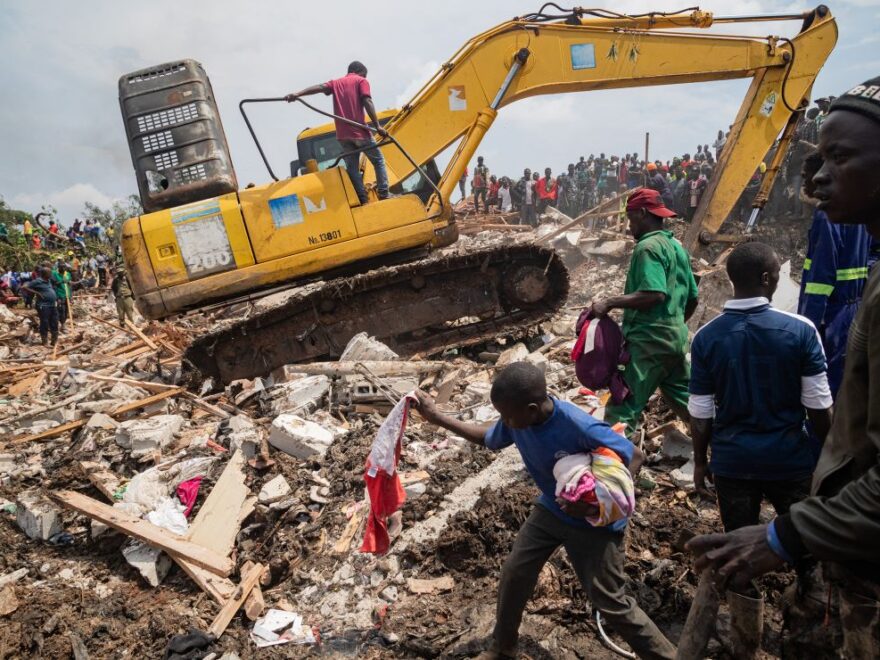
The landslide took place at the Kiteezi landfill, Kampala’s largest waste disposal site, located on the outskirts of the city. On the evening of the disaster, heavy rains had been pounding the area for several hours, saturating the already overburdened landfill with water. As the rains continued, a massive section of the landfill, piled high with waste, suddenly gave way, cascading down the slope and burying nearby structures and people.
Emergency services were quickly dispatched to the scene, but the scale of the disaster made rescue efforts challenging. Witnesses described scenes of chaos as rescuers scrambled to dig through the debris, hoping to find survivors. Unfortunately, the sheer volume of waste and the instability of the remaining landfill hampered these efforts.
Local authorities have confirmed that several lives were lost in the landslide, including workers at the landfill and residents living in makeshift homes nearby. The exact number of casualties is still being determined, as rescue operations continue.
Causes and Contributing Factors
The landslide at the Kiteezi landfill was the result of a combination of natural and human factors. Kampala, like much of Uganda, is prone to heavy rains, particularly during the rainy season. However, the disaster was exacerbated by the poor state of the landfill, which has been a point of contention for years.
Kiteezi landfill, originally designed to serve a much smaller population, has been overwhelmed by the rapid growth of Kampala’s urban population. The site has been operating far beyond its intended capacity, with mountains of waste piled precariously high. The lack of proper waste segregation, compaction, and drainage has made the landfill increasingly unstable, creating conditions ripe for such a catastrophe.
Environmental experts have long warned that the landfill posed a significant risk, not only to those working at the site but also to the surrounding communities. The combination of inadequate waste management practices, overcapacity, and the region’s susceptibility to heavy rains created a perfect storm that ultimately led to the landslide.
Impact on the Community
The landslide has had a devastating impact on the local community. Many of those living near the landfill are among Kampala’s most vulnerable, residing in informal settlements with limited access to basic services. The disaster has displaced numerous families, destroyed homes, and left survivors traumatized.
For those who lost loved ones, the tragedy is a painful reminder of the dangers that come with living near such hazardous sites. Community leaders have expressed their grief and anger, calling for immediate action to address the unsafe conditions at the landfill and prevent future tragedies.
“The government has neglected us for too long,” said a local resident who lost a family member in the landslide. “We’ve been living in fear, knowing something like this could happen. Now our worst fears have come true.”
Government Response and Next Steps
In the wake of the disaster, the Ugandan government has pledged to take immediate action. Kampala’s Lord Mayor, Erias Lukwago, visited the site and offered his condolences to the affected families, while also acknowledging the need for urgent improvements in waste management.
“The Kiteezi landfill is a ticking time bomb that has now exploded,” Lukwago said in a statement. “We must act swiftly to ensure that no more lives are lost due to our failure to manage waste properly. This tragedy is a wake-up call for all of us.”
The government has announced plans to relocate the landfill and improve waste management practices in Kampala. These plans include the development of a new, modern landfill site with proper waste segregation, compaction, and drainage systems. Additionally, efforts will be made to reduce the amount of waste generated by promoting recycling and other sustainable practices.
Calls for Accountability
While the government’s promises are a step in the right direction, many Ugandans are calling for accountability. Civil society organizations and environmental groups have demanded an investigation into the conditions that led to the landslide, as well as the actions (or inactions) of those responsible for managing the landfill.
“There must be accountability for this tragedy,” said an activist from a local environmental group. “We cannot allow those in power to ignore their responsibilities. The lives lost at Kiteezi should not be in vain. We need to see real change, not just promises.”
The landslide at the Kiteezi landfill is a stark reminder of the consequences of neglecting environmental and infrastructural issues in rapidly growing cities. As Kampala mourns the loss of life and begins the process of recovery, the focus must now shift to ensuring that such a disaster never happens again. This will require not only government action but also a collective effort from all stakeholders to address the root causes of the problem and build a safer, more sustainable future for Uganda’s capital.