
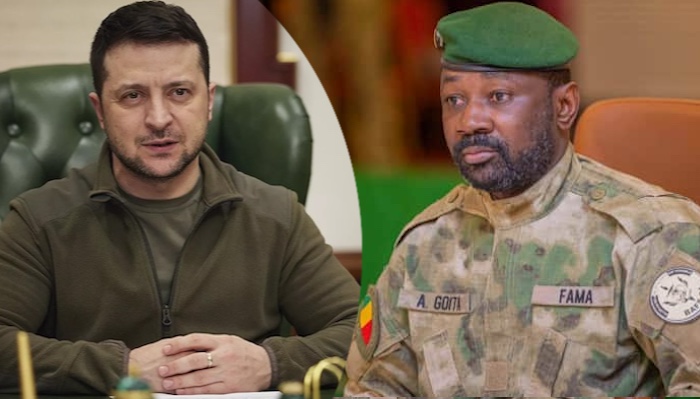
Mali Severs Diplomatic Relations with Ukraine
On August 1, 2024, the Malian government announced a sudden and unexpected decision to sever diplomatic relations with Ukraine. This move came as a surprise to many international observers and has significant implications for the geopolitical landscape. The decision marks a significant shift in Mali’s foreign policy and reflects the complexities of international relations in the contemporary world.
Historical Relations Between Mali and Ukraine
Mali and Ukraine have historically maintained relatively neutral and distant diplomatic relations. The two countries, while not major trading partners or political allies, have engaged in occasional diplomatic and economic exchanges. Ukraine has provided some technical and educational assistance to Mali, and Malian students have studied in Ukrainian universities.
Reasons Behind the Diplomatic Break
The reasons behind Mali’s decision to cut ties with Ukraine are multi-faceted and rooted in both regional and international contexts. Several factors may have contributed to this drastic move:
- Geopolitical Alignments: Mali’s foreign policy has been influenced by its growing ties with Russia, especially since the military coup in 2021. The Malian government has sought to strengthen its relations with Russia, which has been a key military and political ally. Given Ukraine’s conflict with Russia, Mali’s decision may be seen as aligning itself more closely with Moscow.
- Internal Political Dynamics: Mali has been undergoing significant political turmoil, with the interim government facing pressure from various domestic and international actors. Cutting ties with Ukraine could be a strategic move to consolidate internal power and appease factions within the government that favor stronger ties with Russia.
- Economic Considerations: Mali’s economy is heavily dependent on mining and agriculture, sectors that require substantial foreign investment and support. Aligning with Russia, a major global power, could potentially bring economic benefits and investment opportunities to Mali, especially in critical sectors like mining and energy.
International Reactions
The international community has reacted with concern to Mali’s decision. Western countries, particularly those in the European Union and the United States, have expressed disappointment and called for a reconsideration of the decision. They have highlighted the importance of maintaining diplomatic dialogue and cooperation.
Ukraine has condemned the move, stating that it is unjustified and politically motivated. Ukrainian officials have expressed concern about the implications for their country’s foreign relations and the broader geopolitical balance.
Russia, on the other hand, has welcomed Mali’s decision, viewing it as a sign of deepening bilateral ties. Russian officials have emphasized their commitment to supporting Mali in its development and security efforts.
Implications for the Future
The severing of diplomatic relations between Mali and Ukraine is likely to have several significant implications:
- Regional Stability: The decision could further destabilize the already volatile Sahel region, where Mali is located. It may lead to shifts in alliances and increased tensions among neighboring countries.
- International Relations: Mali’s move is indicative of a broader trend of realignment in international relations, with countries in Africa and other regions reevaluating their alliances and partnerships. This could lead to more unpredictable and fluid geopolitical dynamics.
- Economic Impact: The economic consequences of this decision are still unclear, but Mali may seek to leverage its closer ties with Russia to attract investment and aid. However, this could come at the cost of strained relations with Western countries and potential sanctions.
Mali’s decision to sever diplomatic relations with Ukraine marks a significant and potentially destabilizing shift in its foreign policy. The move reflects broader geopolitical trends and internal dynamics that are reshaping international relations. As the situation evolves, it will be crucial to monitor the responses of regional and global actors and the impact on Mali’s domestic and international standing.